
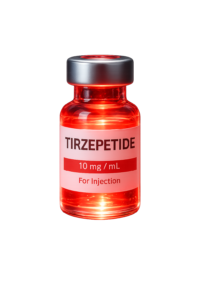
 If your research into effective weight loss solutions has led you to tirzepatide for weight loss, you are exploring one of the most promising advancements in modern medicine. Marketed under the brand name Zepbound specifically for weight management, tirzepatide has garnered remarkable clinical data. Landmark trials have demonstrated that patients receiving tirzepatide achieved an average of 20% body weight reduction over 72 weeks — results previously attainable only through bariatric surgery. A direct head-to-head comparison, published in the New England Journal of Medicine in 2025, further solidified its standing, showing that tirzepatide outperformed semaglutide (Wegovy) by producing an impressive 47% greater weight loss on average.
However, it is crucial to understand that weight loss medication is not a standalone magic bullet. A comprehensive understanding of the science behind tirzepatide — including its mechanism of action, realistic expectations, strategies to maximize results, and potential challenges — is essential before embarking on treatment. This article provides an in-depth, clinically grounded guide to tirzepatide for weight loss, crafted with both scientific rigor and practical clarity to empower you with the knowledge you need.
Why Tirzepatide Is Different From Other Weight Loss Medications
To truly appreciate the clinically exceptional results achieved with tirzepatide, it is beneficial to examine its context within the broader history of weight loss pharmacotherapy. For many decades, FDA-approved medications for weight loss typically yielded modest average reductions, generally ranging from 5–10% of total body weight. This category included drugs such as orlistat (Xenical), phentermine-topiramate (Qsymia), and bupropion-naltrexone (Contrave). Even the first GLP-1 receptor agonist approved for obesity, liraglutide (Saxenda), demonstrated an average weight loss of approximately 8% in its clinical trials.
The advent of semaglutide (Wegovy) in 2021 marked a significant shift, showcasing average weight reductions of around 15% in its STEP trial program. Yet, with the introduction of tirzepatide, the benchmark for efficacy was once again elevated substantially.
Tirzepatide belongs to an entirely novel pharmacological class: it is the first and only dual GIP and GLP-1 receptor agonist. While semaglutide selectively activates only the GLP-1 receptor pathway, tirzepatide uniquely engages both the GLP-1 and GIP (glucose-dependent insulinotropic polypeptide) receptors simultaneously. This dual engagement orchestrates a more comprehensive and potent hormonal response — influencing appetite, insulin sensitivity, fat metabolism, and overall energy balance in ways that a single-receptor approach cannot replicate. The FDA recognized this distinction by classifying tirzepatide as a first-in-class medication upon its 2022 approval. In scientific literature, this combination is sometimes referred to as a “twincretin,” reflecting its dual incretin hormone activity and enhanced metabolic impact.
The Weight Loss Mechanism of Tirzepatide Explained
Tirzepatide facilitates significant weight loss through a sophisticated interplay of multiple, intersecting biological pathways. Understanding these mechanisms is key to appreciating both the medication’s remarkable effectiveness and the necessity of its consistent, long-term use.
1. Appetite Suppression Through Central Nervous System Modulation
Both GIP and GLP-1 receptors are expressed in critical regions of the hypothalamus and brainstem — areas intimately involved in regulating hunger, satiety, and reward-related eating behaviors. When tirzepatide activates these central receptors, it profoundly reduces the physiological drive to eat by:
- Lowering baseline hunger signals — patients report a significant decrease in their general feeling of hunger throughout the day.
- Accelerating the sensation of fullness (satiety) — individuals feel satisfied after consuming much smaller portions during meals.
- Reducing food cravings — the hedonic (pleasure-driven) motivation to seek and consume food is notably diminished.
- Decreasing caloric intake — a well-documented pharmacodynamic effect observed directly in controlled clinical studies.
Patients consistently describe feeling less preoccupied with food, often forgetting to eat, or experiencing satisfaction with smaller meal sizes than before. This profound shift is not merely a matter of willpower — it is a direct pharmacological effect on the brain’s intricate appetite circuitry.
2. Delayed Gastric Emptying: Prolonging Satiety
Tirzepatide effectively slows the rate at which food transitions from the stomach into the small intestine, a phenomenon known as delayed gastric emptying. This contributes to weight loss in two significant ways:
- It extends the sensation of fullness and satiety after meals, helping to reduce overall daily food intake.
- It blunts the sharp post-meal spikes in blood sugar that can otherwise trigger subsequent hunger and lead to overeating.
While the gastric emptying effect is most pronounced following the initial doses and may diminish somewhat over the course of treatment, sustained appetite suppression remains a powerful contributor to weight reduction throughout therapy.
3. Enhanced Insulin Sensitivity: Breaking the Cycle of Resistance
Obesity and insulin resistance often exist in a detrimental feedback loop: excessive body fat impairs insulin function, which in turn promotes further fat storage and metabolic dysfunction. Tirzepatide effectively interrupts this cycle by significantly improving insulin sensitivity. A key factor is its ability to increase levels of adiponectin — an adipokine hormone vital for facilitating glucose uptake and optimizing fat metabolism. Studies have shown tirzepatide can elevate adiponectin levels by up to 26% from baseline at the 10 mg dose, representing a meaningful improvement in underlying metabolic health.
4. Preferential Fat Mass Reduction: Optimizing Body Composition
A critical consideration in weight loss research extends beyond the quantity of weight lost to the quality of that weight loss. Preserving lean muscle mass while simultaneously reducing fat mass is paramount for long-term metabolic health, physical function, and avoiding the “skinny fat” phenomenon that can result from rapid, undifferentiated weight loss. Clinical data from Zepbound’s prescribing information specifically highlights that tirzepatide promotes weight reduction with a greater loss of fat mass compared to lean mass — a highly favorable outcome for long-term body composition and metabolic well-being.
5. Documented Reduction in Food Intake: A Sustainable Mechanism
Clinical pharmacodynamic studies have directly demonstrated that tirzepatide leads to a measurable decrease in caloric intake. Unlike some older appetite suppressants that might induce temporary eating pattern disruptions through jitteriness or mood alterations, tirzepatide’s caloric reduction appears to stem from a genuine hormonal recalibration of the body’s hunger-satiety balance — a more sustainable and physiologically coherent mechanism for achieving and maintaining weight loss.
What Clinical Trials Actually Show: Evidence for Tirzepatide Weight Loss
Tirzepatide’s impressive weight loss efficacy is underpinned by one of the most robust and comprehensive clinical trial programs ever conducted for an anti-obesity medication. Here is a detailed breakdown of the key findings from these pivotal studies.
SURMOUNT-1 (72 Weeks, Non-Diabetic Adults)
This landmark Phase 3 trial enrolled 2,539 adults diagnosed with obesity (BMI ≥ 30) or overweight (BMI ≥ 27) presenting with at least one weight-related complication — crucially excluding type 2 diabetes. Participants had a mean baseline body weight of 104.8 kg (231 lbs) and a mean BMI of 38.0. They were randomly assigned to receive once-weekly tirzepatide at 5 mg, 10 mg, or 15 mg, or placebo, for 72 weeks.
The weight loss results at 72 weeks were profoundly impactful:
| Dose | Mean % Weight Loss | Participants Losing ≥5% | Participants Losing ≥20% |
|---|---|---|---|
| 2.5 mg (starting dose only) | N/A as maintenance | — | — |
| 5 mg weekly | −15.0% | 85% | ~30% |
| 10 mg weekly | −19.5% | 89% | 50% |
| 15 mg weekly | −20.9% | 91% | 57% |
| Placebo | −3.1% | 35% | 3% |
Translated into practical terms, a patient starting at 231 lbs (104.8 kg) on the 15 mg dose could realistically expect to lose approximately 48 lbs (21.7 kg) by week 72. Beyond weight reduction, significant cardiometabolic improvements — including reductions in blood pressure, waist circumference, and improved lipid levels — were consistently observed across all tirzepatide dose groups.
SURMOUNT-2: Weight Loss in Adults With Type 2 Diabetes
SURMOUNT-2 specifically investigated tirzepatide’s weight loss efficacy in adults who had both obesity and type 2 diabetes — a population where achieving substantial weight loss is typically more challenging. At 72 weeks, participants experienced an average body weight loss of 13.9% (10 mg dose) and 15.7% (15 mg dose), compared to a mere 3.3% with placebo — highly meaningful reductions even within a metabolically more complex population.
SURMOUNT-4: Sustained Loss After Treatment Extension
A critical question surrounding any weight loss medication is the long-term sustainability of its effects. SURMOUNT-4 addressed this by enrolling participants who had already completed 36 weeks of open-label tirzepatide treatment, then randomizing them to either continue tirzepatide or switch to placebo for an additional 52 weeks. The findings were clear: those who continued tirzepatide maintained and slightly extended their weight loss, while those who transitioned to placebo regained approximately 14% of their body weight. This trial unequivocally confirmed that the benefits of tirzepatide necessitate ongoing, long-term treatment.
SURMOUNT-5: Head-to-Head Comparison With Semaglutide (Wegovy)
The SURMOUNT-5 trial enrolled 751 adults with obesity but without type 2 diabetes, randomly assigned to receive the maximum tolerated dose of either tirzepatide (10 mg or 15 mg) or semaglutide (1.7 mg or 2.4 mg) once weekly for 72 weeks. The results definitively established tirzepatide as the more effective option:
- Weight loss: Tirzepatide produced a mean weight reduction of −20.2% versus −13.7% with semaglutide.
- Absolute pounds lost: An average of 50.3 lbs with tirzepatide versus 33.1 lbs with semaglutide.
- Waist circumference reduction: 7.2 inches with tirzepatide versus 5.1 inches with semaglutide.
The NEJM-published trial authors concluded that tirzepatide was superior to semaglutide for both percentage weight reduction and improvement in waist circumference — the first head-to-head trial to definitively confirm this difference.
Diabetes Prevention: A Significant Bonus Outcome
Long-term follow-up data from SURMOUNT-1 revealed another profound benefit: tirzepatide reduced the risk of progression from prediabetes to type 2 diabetes by an astonishing 94% over three years compared to placebo — widely regarded as one of the most important preventive medicine findings in recent endocrinology research.
Tirzepatide Weight Loss Timeline: What to Expect Month by Month
One of the most common questions from patients starting tirzepatide is: When will I start seeing results? Here is a realistic, evidence-informed timeline.
Weeks 1–4 (2.5 mg Starting Dose)
Most patients begin to notice a reduction in appetite fairly early — often within the first one to two weeks. Weight loss at this stage may be modest (typically 1–3 lbs), but it represents genuine metabolic change. The predominant experience during this phase is a decrease in food cravings and an earlier sensation of fullness. Gastrointestinal side effects, if they occur, are generally most prominent during this early period as the body adjusts to the medication.
Weeks 5–12 (5 mg and Escalating)
Appetite suppression becomes more consistent and pronounced. Patients usually begin observing more noticeable weight changes, often accumulating to 5–10 lbs or more depending on individual dietary patterns and activity levels. Energy levels may fluctuate during dose escalations. Post-hoc analyses indicate that patients who achieve at least 5% weight loss by 12 weeks tend to be “early responders” with particularly robust long-term outcomes — but even “late responders” typically go on to achieve meaningful weight loss by the 72-week mark.
Months 3–6 (Escalating Through 7.5 mg, 10 mg)
This period often represents the phase of most significant and accelerated weight loss. As the dose increases and the body’s metabolic set point begins to shift, weight reduction often accelerates. It is common for patients at 10 mg weekly for six months to report a total loss of 15–20 lbs, though individual variation is significant. Cardiometabolic improvements — such as lower blood pressure, improved lipid panels, and better blood sugar readings — frequently become apparent at this stage.
Months 6–18 (Maintaining on 10–15 mg)
Weight loss continues but may begin to plateau as the body reaches a new, lower equilibrium. SURMOUNT-1 data indicate that the weight loss plateau typically occurs between 36 and 72 weeks at a given maintenance dose. At the 15 mg dose, patients reached a plateau weight representing approximately 20–21% below their starting weight. Continued adherence to healthy lifestyle habits — including consistent protein intake, regular strength training, and proper sleep hygiene — is crucial for minimizing lean mass loss and supporting long-term weight maintenance.
Who Qualifies for Tirzepatide for Weight Loss?
The FDA-approved Zepbound label specifies that it is indicated for adults who meet the following criteria:
- BMI ≥ 30 kg/m² (obesity class I, II, or III) — with or without additional comorbidities
- BMI ≥ 27 kg/m² (overweight) — in the presence of at least one weight-related condition such as hypertension, dyslipidemia, type 2 diabetes, obstructive sleep apnea, or cardiovascular disease
It is important to emphasize that tirzepatide for weight loss is intended as an adjunct to a reduced-calorie diet and increased physical activity — not as a standalone replacement for lifestyle modification. The medication functions most powerfully as a tool that supports behavioral and nutritional changes by mitigating the powerful hormonal drive that makes sustained caloric restriction so challenging for most individuals with obesity.
Patients with a personal or family history of medullary thyroid carcinoma or with Multiple Endocrine Neoplasia syndrome type 2 (MEN 2) are contraindicated and cannot receive tirzepatide. Those with active pancreatitis, severe kidney disease, or other significant contraindications should discuss alternative treatment options with their healthcare provider.
How to Maximize Your Weight Loss Results on Tirzepatide
While tirzepatide produces impressive results on its own, patients who combine the medication with evidence-based lifestyle strategies consistently achieve superior outcomes. Here are the most critical factors for maximizing your success.
1. Prioritize Protein Intake
Due to tirzepatide’s significant appetite-suppressing effects, some patients may inadvertently consume too few calories — and too little of the right nutrients. Inadequate protein intake during weight loss leads to a disproportionate loss of lean muscle mass, which slows metabolism and undermines long-term body composition goals. Aim for a minimum of 1.2 grams of protein per kilogram of goal body weight daily, prioritizing high-quality, whole-food sources such as poultry, fish, eggs, legumes, and Greek yogurt.
2. Incorporate Resistance Training
Resistance exercise is the most evidence-based method for preserving lean muscle mass during caloric restriction. A 2023 analysis of tirzepatide’s body composition data noted that lean tissue comprised roughly 25–40% of the total weight lost in clinical trials. Incorporating regular resistance training can meaningfully reduce this proportion, ensuring a greater percentage of weight lost is fat rather than metabolically active muscle.
3. Stay Consistently Hydrated
Dehydration can amplify gastrointestinal side effects and impair kidney function, particularly in patients who experience vomiting or diarrhea during the dose escalation phase. Maintaining adequate hydration also supports overall metabolic function and can help distinguish genuine hunger from thirst signals.
4. Prioritize Sleep
Sleep deprivation elevates ghrelin (the “hunger hormone”) and impairs the function of leptin (the “satiety hormone”) — a hormonal imbalance that directly undermines tirzepatide’s appetite-regulating effects. Aim for 7–9 hours of quality sleep per night to support your weight loss journey and overall metabolic health.
Managing Side Effects During Weight Loss Treatment
The most common side effects of tirzepatide are gastrointestinal, including nausea, diarrhea, constipation, and vomiting. These are most prevalent during the initial dose-escalation phase and typically diminish as the body adapts to each dose level. Practical management strategies include:
- Eating smaller, more frequent meals rather than large ones
- Avoiding high-fat, greasy, or spicy foods — especially around injection time
- Staying well-hydrated with water and electrolyte-containing fluids
- Communicating with your healthcare provider, who may slow your dose-escalation schedule or prescribe anti-nausea medication if side effects are persistent or severe
Gastrointestinal side effects that are severe, prolonged, or accompanied by significant abdominal pain, fever, or blood in stool should be reported to your healthcare provider immediately, as these may indicate a condition such as pancreatitis or gallbladder disease requiring prompt evaluation.
What Happens If You Stop Taking Tirzepatide?
As demonstrated in the SURMOUNT-4 trial, tirzepatide is a long-term treatment for the chronic disease of obesity. If the medication is discontinued, the hormonal drive to eat returns to pre-treatment levels and weight regain is likely. This is not a sign of failure — it is a reflection of the underlying biology of obesity and is entirely consistent with what is observed when treatment is withdrawn for any chronic condition.
Patients should view tirzepatide as a tool for managing a chronic condition, similar to how medication is used to manage high blood pressure or elevated cholesterol. Just as those medications must be taken continuously to maintain their effect, tirzepatide requires ongoing use to sustain its weight loss outcomes. For patients who must discontinue due to cost or access barriers, prioritizing protein intake, resistance training, and sleep hygiene — and maintaining regular contact with a healthcare provider — can help slow the rate of weight regain.
Benefits Beyond the Scale
The positive effects of tirzepatide-induced weight loss extend well beyond the number on the scale. Patients in clinical trials experienced significant improvements across multiple markers of cardiometabolic health, including:
- Blood pressure — meaningful reductions observed across all dose groups in SURMOUNT trials
- Lipid profiles — improvements in LDL cholesterol and triglycerides
- Glycemic control and insulin sensitivity — particularly relevant for patients with prediabetes or type 2 diabetes
- Waist circumference — a key marker of visceral fat and cardiovascular risk
- Quality of life scores — patient-reported improvements in physical function, energy, and overall well-being
Beyond these metabolic benefits, tirzepatide has received FDA approval for moderate-to-severe obstructive sleep apnea in adults with obesity — the first pharmacologic therapy ever approved for this indication — and has demonstrated a significant reduction in cardiovascular death and worsening heart failure events in the SUMMIT trial. These outcomes underscore that tirzepatide is not merely a weight loss drug, but a broad-spectrum tool for improving overall metabolic and cardiovascular health.
Frequently Asked Questions About Tirzepatide for Weight Loss
How is tirzepatide (Zepbound) different from semaglutide (Wegovy)?
Tirzepatide is a dual GIP and GLP-1 receptor agonist, while semaglutide is a single GLP-1 receptor agonist only. This dual action makes tirzepatide more effective for weight loss, as confirmed in the SURMOUNT-5 head-to-head trial, where it produced approximately 47% greater weight loss than semaglutide at maximum tolerated doses over 72 weeks (20.2% vs. 13.7% body weight reduction).
Can I take tirzepatide if I don’t have diabetes?
Yes. Zepbound (tirzepatide) is specifically FDA-approved for chronic weight management in adults with obesity or overweight with a related comorbidity, regardless of diabetes status. In fact, the pivotal SURMOUNT-1 trial — which established the primary efficacy data for Zepbound — specifically enrolled adults without type 2 diabetes. It is used as an adjunct to a reduced-calorie diet and increased physical activity.
How long do I need to take tirzepatide for weight loss?
Tirzepatide is intended for long-term use to manage the chronic disease of obesity. Clinical data show that discontinuing the medication typically leads to weight regain as the body’s hormonal hunger signals return to pre-treatment baselines. Treatment duration should always be determined in consultation with your healthcare provider, who can weigh your individual goals, medical history, and response to therapy.
What is the most important lifestyle change to make while on tirzepatide?
Prioritizing adequate protein intake and incorporating regular resistance training are the two most critical lifestyle modifications while on tirzepatide. Together, they help ensure that the majority of weight lost comes from fat mass rather than lean muscle mass — leading to better long-term body composition, a faster metabolism, and more sustainable results.
How much weight can I realistically expect to lose on tirzepatide?
Clinical trials show average weight reductions of 15–21% of starting body weight at 72 weeks across the approved dose range. For a person starting at 220 lbs, this translates to an expected loss of approximately 33–46 lbs. Individual results vary based on dose, duration, lifestyle adherence, baseline metabolic health, and genetics. Patients on the 15 mg maintenance dose experience the greatest average weight loss.
Will I regain the weight if I stop tirzepatide?
Research shows that most patients do experience weight regain after stopping tirzepatide. The SURMOUNT-4 trial documented approximately 14% weight regain over the year following discontinuation in patients who switched to placebo. This underscores that tirzepatide is most effective as part of a long-term treatment strategy for the chronic disease of obesity, not a short-term intervention.
Conclusion: A New Era in Medically Supervised Weight Loss
Tirzepatide for weight loss — marketed as Zepbound — represents a genuine paradigm shift in the medical management of obesity. Its novel dual-action mechanism delivers a level of efficacy that was previously unattainable without bariatric surgery, offering real results for millions of patients who have struggled with conventional weight management approaches. The SURMOUNT clinical trial program, spanning tens of thousands of patient-years of data, has consistently positioned tirzepatide at the leading edge of approved pharmacotherapy for obesity — and the 2025 SURMOUNT-5 head-to-head trial has now confirmed its superiority over the previous gold standard.
By understanding the science, committing to supportive lifestyle changes — particularly adequate protein intake and resistance training — and working closely with a qualified healthcare provider, patients can leverage tirzepatide as a powerful tool to achieve significant, sustained weight loss and meaningful improvements in overall metabolic health. If you believe you may qualify, the first step is a consultation with a licensed healthcare provider who can evaluate your individual medical profile and determine whether tirzepatide is right for your goals.


