
Tirzepatide injections have rapidly emerged as a groundbreaking advancement in modern medicine, captivating the attention of both healthcare
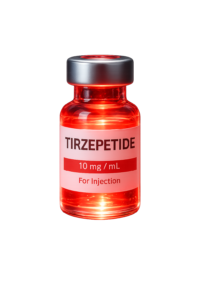
professionals and individuals seeking effective solutions for metabolic health. Known by its brand names Mounjaro and Zepbound, tirzepatide represents a significant scientific breakthrough: it is the world’s first dual GIP and GLP-1 receptor agonist. This innovative medication has received approval for both the management of type 2 diabetes and chronic weight loss, offering a new paradigm in treatment. If you or a loved one are exploring medically supervised weight management strategies or seeking improved blood sugar control, this comprehensive guide will provide all the essential information. We will delve into its unique mechanism of action, detailed dosing protocols, compelling real-world clinical results, potential side effects, and the specific criteria for candidacy.
What is Tirzepatide? A Dual-Action Breakthrough
Tirzepatide is a synthetic 39-amino acid polypeptide meticulously developed by Eli Lilly and Company. Its classification as a dual glucose-dependent insulinotropic polypeptide (GIP) receptor and glucagon-like peptide-1 (GLP-1) receptor agonist sets it apart from earlier generations of weight-loss and diabetes medications that primarily targeted only the GLP-1 pathway. This dual agonism is the cornerstone of its remarkable efficacy.
In essence, tirzepatide ingeniously mimics the actions of two potent gut hormones simultaneously. By activating both the GIP and GLP-1 receptors, it orchestrates a cascade of beneficial effects on appetite regulation, insulin secretion, blood sugar control, and fat metabolism. These combined effects are notably more profound than what a single-hormone approach can achieve, underscoring why the FDA recognized tirzepatide as a first-in-class medication upon its approval in 2022.
This medication is conveniently administered as a once-weekly subcutaneous injection and is available in various formulations and dosage strengths. It is marketed under the brand name Mounjaro specifically for the treatment of type 2 diabetes. For chronic weight management and the treatment of obstructive sleep apnea (OSA) related to obesity, it is known as Zepbound.
Understanding the full scope of tirzepatide’s action requires some foundational knowledge of hormonal biology. However, the core concept is straightforward: following a meal, the gut naturally releases GIP and GLP-1. These crucial hormones signal the pancreas to release insulin, communicate satiety to the brain, and regulate the rate at which food empties from the stomach. Tirzepatide effectively amplifies both of these natural physiological signals, resulting in a more robust and comprehensive metabolic response than either signal could generate independently.
How Tirzepatide Works: The Synergistic Dual Hormone Mechanism
The pharmacological ingenuity behind tirzepatide lies in its ability to engage both GIP and GLP-1 receptors. To fully appreciate the significance of this dual action, it is helpful to understand the individual roles of these two hormones in the body.
GLP-1: The Satiety and Insulin Signal
Glucagon-like peptide-1 (GLP-1) is a hormone secreted by intestinal L-cells primarily in response to food intake. When GLP-1 binds to its specific receptors, it initiates several critical beneficial effects:
GLP-1 receptor agonists, such as semaglutide, have already demonstrated impressive clinical outcomes in diabetes and weight management. However, GLP-1 is not the sole incretin hormone with significant metabolic relevance.
GIP: The Potent, Often Overlooked Incretin
Glucose-dependent insulinotropic polypeptide (GIP) is secreted by intestinal K-cells and is, in fact, the more abundant of the two incretin hormones. GIP also plays a vital role in stimulating insulin secretion and is involved in lipid metabolism and fat storage. Importantly, GIP receptors are distributed not only in the pancreas but also in the brain, adipose (fat) tissue, and bone. This widespread distribution grants GIP a broader metabolic footprint than was previously understood.
Structurally, tirzepatide is an analog of native GIP, ingeniously modified with a C20 fatty diacid moiety. This specific structural modification achieves two key objectives:
The Combined Effect: Synergistic Metabolic Benefits
When tirzepatide simultaneously activates both the GIP and GLP-1 receptor pathways, the resulting metabolic effects are not merely additive but often synergistic. Patients undergoing treatment with tirzepatide typically experience a range of significant benefits:
Brand Names and FDA Approvals: Mounjaro and Zepbound
Tirzepatide has garnered several pivotal regulatory approvals, underscoring its expanding clinical utility and recognition as a transformative medication:
Beyond the United States, tirzepatide has secured approvals in the European Union, Canada, Australia, and numerous other countries under diverse regulatory frameworks. This widespread international acceptance reflects the broad global recognition of its compelling efficacy and robust safety data.
Tirzepatide Dosing Schedule: A Gradual Escalation Approach
Tirzepatide is administered as a once-weekly subcutaneous injection. The meticulously designed dosing protocol incorporates a gradual dose escalation strategy. This approach allows the body to adapt to the medication, thereby minimizing the incidence and severity of potential gastrointestinal side effects. The official FDA-approved dosing schedule, applicable across all indications, is outlined below:
Week | Dose | Notes |
|---|---|---|
Weeks 1–4 | 2.5 mg once weekly | Starting dose only — not a maintenance dose |
Weeks 5–8 | 5 mg once weekly | Increase after 4 weeks at 2.5 mg |
Weeks 9–12 | 7.5 mg once weekly | Optional step — increase if tolerated and needed |
Weeks 13–16 | 10 mg once weekly | Dose increases in 2.5 mg increments |
Weeks 17–20 | 12.5 mg once weekly | Continue if GI side effects are manageable |
Week 21 onward | 15 mg once weekly | Maximum approved maintenance dose |
The prescribing physician plays a crucial role in evaluating the patient’s treatment response and tolerability when determining the appropriate maintenance dose. It is important to note that not every patient will necessarily escalate to the maximum 15 mg dose. Many individuals achieve significant and meaningful results at lower doses, such as 5 mg, 7.5 mg, or 10 mg. Clinical guidelines strongly advocate for maintaining the lowest effective dose to optimize benefits while minimizing side effects. Each dose escalation step should be separated by a minimum of four weeks to ensure adequate physiological adaptation.
Available formulations of tirzepatide include convenient single-dose prefilled pens, single-dose vials, and multi-dose vials (such as the Zepbound KwikPen). Before administration, the solution should always appear clear and colorless to slightly yellow. Any observation of discoloration or particulate matter necessitates the immediate disposal of the pen or vial.
How to Inject Tirzepatide: A Step-by-Step Guide
Tirzepatide is administered via subcutaneous injection, meaning the medication is injected just under the skin, not into a vein or muscle. The approved injection sites include the abdomen (stomach), the outer thigh, and the back of the upper arm. To prevent localized tissue reactions and ensure consistent absorption of the medication, patients should diligently rotate injection sites with each subsequent dose.
Step-by-Step Injection Guide:
Important Considerations: If you are using tirzepatide concurrently with insulin, it is imperative to administer them as separate injections. Never mix tirzepatide and insulin in the same syringe. While you may inject both medications in the same general body region, ensure that the injection sites are not directly adjacent to one another.
Storage Guidelines: Tirzepatide should be stored in the refrigerator at a temperature range of 36°F to 46°F (2°C to 8°C). If necessary, it may be stored at room temperature (up to 86°F / 30°C) for a maximum period of 21 days. Do not freeze tirzepatide, and always protect it from direct light and excessive heat.
Clinical Trial Results: What the Data Shows About Tirzepatide’s Efficacy
The clinical evidence substantiating tirzepatide’s efficacy is both extensive and compelling, primarily derived from two major clinical trial programs: the SURPASS program (which focused on type 2 diabetes) and the SURMOUNT program (which concentrated on obesity and weight management). Across both comprehensive programs, the results consistently position tirzepatide at or near the pinnacle of efficacy rankings among all approved pharmacologic therapies.
SURMOUNT-1: A Landmark Obesity Trial
The pivotal SURMOUNT-1 trial was a Phase 3, double-blind, randomized, placebo-controlled study that enrolled 2,539 adults. Participants either had obesity (BMI ≥ 30) or were overweight (BMI ≥ 27) with at least one weight-related complication (excluding type 2 diabetes). Subjects were randomly assigned to receive once-weekly tirzepatide at doses of 5 mg, 10 mg, or 15 mg, or a placebo, for a duration of 72 weeks, which included a 20-week dose escalation period.
The results observed at 72 weeks were truly striking:
Furthermore, tirzepatide consistently produced improvements across all prespecified cardiometabolic measures, including blood pressure, lipid profiles, and glycated hemoglobin (HbA1c). The trial authors emphasized that these findings represent “an unusually substantial degree of weight reduction in response to an antiobesity medication” when compared to results from other Phase 3 clinical trials of approved medications at that time.
SURMOUNT-1 Long-Term Extension: Insights into Diabetes Prevention
An extended follow-up analysis of the SURMOUNT-1 trial further evaluated tirzepatide’s profound impact on the progression from prediabetes to type 2 diabetes over a three-year period. The compelling data revealed that tirzepatide reduced the risk of developing type 2 diabetes by an astounding 94% when compared to placebo. This finding was described by Eli Lilly’s senior leadership as one of the most significant and profound outcomes in the entire history of obesity pharmacotherapy.
SURMOUNT-5: Head-to-Head Comparison with Semaglutide
Published in the prestigious New England Journal of Medicine in May 2025, the SURMOUNT-5 trial provided the first direct, head-to-head comparison of tirzepatide versus semaglutide (marketed as Wegovy) in adults with obesity but without co-existing type 2 diabetes. Key findings at 72 weeks unequivocally demonstrated tirzepatide’s superior efficacy:
Overall, tirzepatide achieved approximately 47% greater total weight loss when directly compared to semaglutide in this pivotal trial.
SURPASS Trials: Excellence in Diabetes Management
Across the entire SURPASS clinical trial program (encompassing SURPASS-1 through SURPASS-5), tirzepatide consistently demonstrated superior performance compared to various comparators. These comparators included placebo, semaglutide, insulin glargine, and insulin degludec, in terms of both reducing HbA1c levels and promoting body weight loss in patients with type 2 diabetes. For instance, the SURPASS-5 trial showcased a remarkable −2.11% reduction in HbA1c at the 5 mg weekly dose and an even greater −2.34% reduction at the 15 mg weekly dose, significantly outperforming the −0.86% reduction observed with placebo.
Real-World Effectiveness: Confirming Clinical Trial Success
Real-world data, meticulously gathered from the Healthcare Integrated Research Database, further corroborate that the impressive results observed in clinical trials are consistently replicated in routine clinical practice. Among patients who were naive to GLP-1 treatments and initiated therapy for type 2 diabetes, those using tirzepatide achieved an average HbA1c reduction of 1.3% and experienced an average weight loss of 10.2 kg (22.5 lbs) over 12 months. In contrast, patients starting semaglutide showed a 0.9% HbA1c reduction and a 6.1 kg (13.4 lbs) weight loss during the same period. This real-world evidence reinforces tirzepatide’s robust and sustained effectiveness.
Side Effects of Tirzepatide: What to Expect
As with all medications, tirzepatide possesses a side effect profile that both patients and clinicians must carefully consider and weigh against its significant therapeutic benefits. The reassuring news is that the vast majority of adverse effects are gastrointestinal in nature, typically mild to moderate in severity, and most commonly experienced during the initial dose-escalation period. This means that these side effects often diminish as the body gradually adjusts to the medication.
Common Side Effects (Occurring in More Than 5% of Patients):
Less Common but Clinically Notable Side Effects:
Patients should always discuss any concerns about side effects with their healthcare provider.
Contraindications and Who Should Avoid Tirzepatide
Certain individuals should not use tirzepatide due to specific contraindications or increased risks. It is crucial to have a thorough discussion with a healthcare provider to determine if tirzepatide is appropriate for your health profile.
Absolute Contraindications:
Other Important Considerations and Precautions:
Who Qualifies for Tirzepatide? Candidacy Criteria
Determining candidacy for tirzepatide involves a comprehensive evaluation by a healthcare professional, taking into account individual health status, medical history, and treatment goals. The primary indications for tirzepatide are type 2 diabetes and chronic weight management.
For Type 2 Diabetes (Mounjaro):
For Chronic Weight Management (Zepbound):
For Obstructive Sleep Apnea (OSA) related to Obesity (Zepbound):
It is essential for prospective patients to engage in an open and detailed discussion with their doctor to assess if tirzepatide is the most appropriate and safe treatment option for their specific health needs.
Frequently Asked Questions About Tirzepatide Injections
Q: What is the primary difference between Mounjaro and Zepbound?
Mounjaro is the brand name for tirzepatide approved for the treatment of type 2 diabetes. Zepbound is the brand name for tirzepatide approved for chronic weight management and obstructive sleep apnea related to obesity. Both contain the same active ingredient, tirzepatide, but are marketed for different indications based on their FDA approvals.
Q: How quickly can I expect to see results with tirzepatide?
Many patients begin to see improvements in blood sugar control and weight loss within the first few weeks of starting tirzepatide, particularly during the dose escalation phase. Significant weight loss, as observed in clinical trials, typically occurs over several months of consistent use, often peaking around 72 weeks.
Q: Can tirzepatide be used by individuals without diabetes for weight loss?
Yes, Zepbound (tirzepatide) is specifically approved by the FDA for chronic weight management in adults with obesity or overweight with at least one weight-related comorbidity, regardless of their diabetes status. It is used as an adjunct to diet and exercise.
Q: What should I do if I miss a dose of tirzepatide?
If a dose of tirzepatide is missed, it should be administered as soon as possible within 4 days (96 hours) after the missed dose. If more than 4 days have passed, the missed dose should be skipped, and the next dose should be taken on the regularly scheduled day. Do not take two doses within 3 days of each other.
Q: Are there any dietary restrictions while taking tirzepatide?
While there are no strict dietary restrictions, it is recommended to follow a reduced-calorie diet and increase physical activity to maximize the benefits of tirzepatide, especially for weight management. Patients may find that they tolerate certain foods better than others, particularly during the initial phase of treatment due to potential gastrointestinal side effects.
Conclusion: The Future of Metabolic Health with Tirzepatide
Tirzepatide, marketed as Mounjaro and Zepbound, represents a monumental leap forward in the treatment of type 2 diabetes and chronic weight management. Its innovative dual GIP and GLP-1 receptor agonism offers a powerful and effective mechanism for improving glycemic control, promoting significant and sustained weight loss, and even addressing conditions like obstructive sleep apnea. With robust clinical trial data and promising real-world effectiveness, tirzepatide stands as a testament to scientific progress in metabolic health. As with any potent medication, understanding its mechanism, dosing, potential side effects, and contraindications is paramount. Always consult with your healthcare provider to determine if tirzepatide injections are the right choice for your individual health journey and to develop a personalized treatment plan. Embrace the potential of this breakthrough therapy to achieve your health goals.


