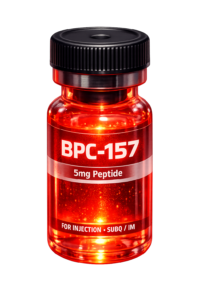
 Tendon and joint injuries are among the most debilitating — and stubbornly difficult to treat — conditions in orthopedic and sports medicine. Whether the result of acute trauma, repetitive overuse, or the slow deterioration of degenerative joint disease, injuries to tendons, ligaments, cartilage, and surrounding joint structures challenge both patients and clinicians because of these tissues’ inherently limited capacity for repair. That is precisely why BPC-157 joint tendon recovery has become one of the most actively discussed topics in regenerative medicine: the peptide addresses the biological bottlenecks that make musculoskeletal healing so difficult with a specificity and efficacy that conventional treatments cannot match. For athletes, physically active individuals, surgical recovery patients, and anyone dealing with persistent joint or tendon dysfunction, Salhab Pharmacy provides pharmaceutical-grade BPC-157 compounded to the exacting standards that injectable peptide therapy demands.
This article provides a detailed examination of how BPC-157 works in musculoskeletal tissue, the specific injuries and conditions it addresses, the dosing protocols used in clinical practice, and what patients should realistically expect from a well-designed recovery protocol.
Why Tendons and Ligaments Are So Hard to Heal
To appreciate what makes BPC-157 so valuable for musculoskeletal recovery, it helps to understand the biological reasons why tendon, ligament, and cartilage injuries heal so poorly under normal physiological conditions.
Tendons and ligaments are dense connective tissues composed primarily of type I collagen fibers organized in a highly ordered parallel arrangement that gives them their remarkable tensile strength. Unlike muscle or bone, these tissues have very limited vascularity — their blood supply is sparse, which means that when injury occurs, the initial inflammatory response that triggers repair is muted, and the delivery of healing cells, oxygen, and nutrients to the injury site is severely restricted. The result is a repair process that is not only slow (typically three to twelve months for significant tendon injuries) but qualitatively inferior — healed tendon tissue frequently contains disordered collagen (type III rather than type I) that is mechanically weaker than the original tissue, creating a persistent vulnerability to reinjury.
Key limitation of tendon healing: Tendons and ligaments lack the dense vascular supply that enables rapid healing in other tissues. BPC-157 directly addresses this limitation by stimulating angiogenesis — the formation of new blood vessels — in injured connective tissue, fundamentally improving the biology of repair.
Cartilage is even more challenging. Articular cartilage — the smooth tissue covering the ends of bones in joints — has virtually no intrinsic blood supply at all. Adult chondrocytes (cartilage cells) have very limited regenerative capacity, and significant cartilage defects typically progress rather than heal, contributing to the development of osteoarthritis over time. The clinical frustration with cartilage repair reflects this biological reality: conventional interventions including physical therapy, corticosteroid injections, and hyaluronic acid supplementation address symptoms without meaningfully altering the underlying degenerative trajectory.
How BPC-157 Transforms Musculoskeletal Repair Biology
BPC-157 does not simply accelerate the standard healing response — it fundamentally alters the biology of musculoskeletal repair in ways that address the specific limitations of tendon, ligament, and cartilage healing.
Growth Hormone Receptor Upregulation in Tendon Fibroblasts
Perhaps the most mechanistically significant finding in BPC-157 musculoskeletal research is its ability to dramatically upregulate growth hormone (GH) receptor expression in tendon fibroblasts — the cells responsible for producing the collagen matrix that forms the structural scaffold of healing connective tissue. By sensitizing these cells to growth hormone, BPC-157 amplifies the anabolic drive for collagen synthesis and matrix remodeling that is normally insufficient in poorly vascularized connective tissue. The result is a qualitatively superior repair process — one in which more collagen is synthesized, more rapidly, with better organizational structure, and with a higher proportion of the strong type I collagen that gives healthy tendons their mechanical properties.
This mechanism is distinct from — and complementary to — the effects of growth hormone secretagogues (like sermorelin and ipamorelin) that increase circulating GH levels. BPC-157 makes target tissues more responsive to the GH that is already present, which means the combination of a growth hormone secretagogue with BPC-157 can produce synergistic musculoskeletal healing effects that neither compound achieves alone.
Targeted Angiogenesis in Connective Tissue
BPC-157 is a potent inducer of angiogenesis through upregulation of vascular endothelial growth factor (VEGF) and its receptor VEGFR2. In the context of tendon and ligament healing, this is transformative: by driving the formation of new capillary networks in injured tissue, BPC-157 converts hypovascular connective tissue into a more vascular, metabolically active healing environment. This enhanced vascularity not only accelerates the delivery of oxygen and nutrients to healing tissue but also supports the sustained recruitment of fibroblasts, macrophages, and other repair-mediating cells over the weeks and months of tissue remodeling.
In preclinical tendon injury models, histological examination of BPC-157-treated tissue routinely shows increased vascularity at injury sites compared to controls — a direct visual confirmation of the angiogenic mechanism and a compelling explanation for the accelerated macroscopic healing observed in these studies.
Fibroblast Migration and Proliferation
Beyond sensitizing fibroblasts to growth hormone, BPC-157 directly stimulates fibroblast migration to injury sites and proliferation within the repair zone. Fibroblasts are the cellular workhorse of connective tissue repair, and their timely arrival and sustained activity at the injury site is a rate-limiting factor in tendon and ligament healing. BPC-157 appears to chemotactically attract fibroblasts to wounded tissue and to stimulate their mitotic activity — accelerating the cellular population of the repair zone and, consequently, the pace of collagen matrix production.
Nitric Oxide Signaling and Vascular Tone
BPC-157’s effects on nitric oxide (NO) signaling have specific relevance in the musculoskeletal context. NO is a potent vasodilator that supports tissue perfusion and plays roles in fibroblast function and inflammatory regulation. BPC-157 normalizes NO pathway activity in connective tissue — supporting the vasodilatory and pro-healing functions of NO while limiting pathological overproduction that contributes to chronic pain and tissue degradation. This mechanism contributes to BPC-157’s analgesic effects in joint and tendon conditions, which are frequently reported by patients within the first weeks of therapy.
Anti-Inflammatory Resolution in Joints
Chronic joint inflammation — whether from post-injury synovitis, osteoarthritis, or autoimmune arthropathy — perpetuates tissue damage and creates a biochemical environment hostile to repair. BPC-157 reduces the production of key pro-inflammatory cytokines (TNF-α, IL-1β, IL-6) in joint tissue and promotes the resolution of the inflammatory phase of the healing response, allowing the proliferative and remodeling phases to proceed. This anti-inflammatory activity does not suppress the immune system broadly — it specifically modulates the maladaptive chronic inflammation that impairs rather than supports healing.
Specific Injuries and Conditions BPC-157 Addresses
The following conditions represent the most extensively studied and clinically practiced applications of BPC-157 in musculoskeletal medicine.
Rotator Cuff Injuries
Rotator cuff tears — whether partial or full-thickness — are among the most common and most debilitating shoulder injuries, particularly in overhead athletes and adults over 40. The supraspinatus tendon, the most commonly affected rotator cuff component, is particularly vulnerable to the ischemic environment near its insertion on the humerus (the “critical zone”). BPC-157’s angiogenic and fibroblast-activating mechanisms address this ischemic bottleneck directly. In animal rotator cuff repair models, BPC-157-treated tendons demonstrated significantly faster healing with superior histological organization compared to untreated controls — findings with direct translational relevance to the clinical management of rotator cuff injuries.
Achilles Tendon Rupture and Tendinopathy
The Achilles tendon is the largest and strongest tendon in the body, yet Achilles tendinopathy — including both insertional and mid-substance varieties — and outright Achilles rupture represent significant clinical challenges. BPC-157 has demonstrated compelling efficacy in preclinical Achilles tendon injury models, producing accelerated healing, enhanced tensile strength, and superior collagen organization in treated animals compared to controls. For patients managing chronic Achilles tendinopathy — a condition notorious for its resistance to conventional treatment — BPC-157 offers a mechanistically rational approach to the degenerative processes underlying the condition.
Anterior Cruciate Ligament (ACL) and Other Knee Ligament Injuries
ACL injuries are career-defining events for athletes and functionally significant injuries for anyone, with conventional reconstruction requiring six to twelve months of rehabilitation before return to sport. BPC-157 has been investigated in ligament healing models with consistently favorable results: accelerated cellular infiltration of the injury site, enhanced vascularization, increased ligament strength, and improved functional recovery timelines compared to untreated groups. While BPC-157 is not a substitute for surgical ACL reconstruction in complete tears, it is being increasingly incorporated into post-surgical rehabilitation protocols and used for partial tears and other ligamentous injuries that do not require surgical intervention.
Cartilage Repair and Osteoarthritis
The application of BPC-157 in cartilage repair and osteoarthritis management is among the most clinically exciting areas of musculoskeletal peptide therapy, given the profound unmet need in this space. BPC-157 promotes chondrocyte proliferation and matrix production, reduces articular cartilage degradation driven by inflammatory enzymes, and supports the vascular and cellular environment necessary for cartilage repair at the osteochondral interface. In animal osteoarthritis models, intra-articular and systemic BPC-157 administration has demonstrated measurable protective effects on cartilage volume, reduced matrix metalloproteinase (MMP) activity, and improved histological cartilage architecture. For the growing population of patients managing early to moderate osteoarthritis, BPC-157 represents a potentially disease-modifying intervention rather than purely symptomatic management.
Muscle Tears and Strains
Muscle injuries — from minor strains to complete tears — respond favorably to BPC-157 through mechanisms involving both local angiogenesis and direct fibroblast and satellite cell activation. BPC-157-treated muscle injuries demonstrate accelerated re-vascularization, reduced fibrosis (scar tissue formation), and more complete functional recovery compared to untreated injuries. The reduction in scar tissue formation is particularly clinically relevant, as fibrotic healing of muscle injuries creates mechanical disadvantages and predisposes to reinjury — a cycle that BPC-157’s superior repair biology can interrupt.
Bone Fractures and Healing
BPC-157 has demonstrated bone-healing properties in preclinical fracture models, with evidence of enhanced periosteal regeneration, accelerated callus formation, and improved final bone strength and architecture. The mechanisms are consistent with BPC-157’s effects in other tissues: angiogenesis, fibroblast and osteoblast activation, and anti-inflammatory modulation during the early healing phases. For patients with complex fractures, delayed union, or those seeking to optimize healing of post-surgical bone, BPC-157 is a logical component of a comprehensive recovery protocol.
BPC-157 Dosing Protocols for Joint and Tendon Recovery
Dosing for musculoskeletal recovery with BPC-157 should be individualized by a qualified prescribing provider, but the following general framework reflects current clinical practice.
Acute Injury Protocol
For acute injuries — fresh muscle tears, recent tendon ruptures, post-surgical recovery — most practitioners use a loading protocol of 250–500 mcg BPC-157 twice daily for the first two to four weeks, followed by a step-down to once-daily dosing for an additional four to eight weeks or until healing is clinically complete. The higher frequency in the acute phase is intended to maximize local tissue loading and accelerate the early inflammatory-to-proliferative transition that is the foundation of repair.
Chronic Injury and Degenerative Conditions
For chronic tendinopathy, osteoarthritis, or other degenerative musculoskeletal conditions, longer-duration protocols with once-daily dosing of 200–500 mcg are typical. These conditions require sustained exposure to drive the angiogenic, fibroblastic, and anti-inflammatory processes necessary to reverse established degenerative changes. Reassessment at eight to twelve weeks guides decisions about continued therapy, dose adjustment, or transition to a maintenance protocol.
Route Selection for Musculoskeletal Applications
Both subcutaneous (SQ) and intramuscular (IM) routes are used for musculoskeletal BPC-157 applications. Subcutaneous injection into the abdominal tissue achieves good systemic distribution and is the most practical route for at-home self-administration. Intramuscular injection into or adjacent to the injured tissue can provide higher local concentrations at the repair site and is preferred by some practitioners for localized injuries. Local peritendinous or intra-articular injection under ultrasound guidance is also practiced in clinical settings for direct delivery to joint or tendon pathology.
Combining BPC-157 with Other Therapies for Musculoskeletal Recovery
BPC-157 works well as a standalone therapy, but its effects are complementary to a range of other regenerative and rehabilitative interventions. The following combinations are commonly used in clinical practice.
- TB-500 (Thymosin Beta-4): The most frequently paired peptide with BPC-157 for musculoskeletal applications. TB-500 promotes actin polymerization, cell migration, and angiogenesis through mechanisms that are complementary to BPC-157’s, and the combination — sometimes referred to as “BPC/TB” — is considered by many practitioners to produce synergistic healing effects superior to either peptide alone.
- Physical therapy and loading protocols: BPC-157 does not replace rehabilitation — it enhances it. Progressive mechanical loading of healing tendons and ligaments through appropriate physical therapy drives collagen alignment and remodeling that BPC-157’s biology supports. The combination of peptide therapy and structured rehabilitation produces superior outcomes to either approach in isolation.
- Growth hormone secretagogues (sermorelin, ipamorelin/CJC-1295): As noted above, BPC-157 upregulates GH receptor sensitivity in tendon fibroblasts. Pairing BPC-157 with a growth hormone secretagogue that raises circulating GH levels creates a powerfully synergistic combination — more GH reaching more sensitive receptors translates to maximally amplified anabolic drive in healing tissue.
- PRP (Platelet-Rich Plasma): Intra-articular or peritendinous PRP injections deliver a concentrated bolus of growth factors to injured tissue. BPC-157 can serve as a systemic complement to local PRP therapy, supporting the vascular and cellular environment that allows PRP’s growth factor payload to be most effective.
Why Pharmaceutical Quality Matters: Choose Salhab Pharmacy
When injecting any compound — peptide or otherwise — the stakes of pharmaceutical quality are high. Improperly compounded injectables can cause infection, inflammatory reactions, incorrect dosing, or exposure to endotoxins and contaminants that undermine the therapeutic goal and pose genuine safety risks. This makes the source of your BPC-157 one of the most clinically important decisions in your recovery protocol.
Salhab Pharmacy has built its compounding practice on the quality standards that patients and prescribers deserve. Our BPC-157 is prepared in a USP <797> compliant sterile cleanroom by trained compounding pharmacists, tested by independent third-party laboratories for potency, sterility, and endotoxin levels, shipped with appropriate cold-chain packaging, and dispensed only pursuant to valid prescriptions from licensed practitioners. Every vial comes with a Certificate of Analysis so patients and providers can review the quality documentation for their specific batch.
For prescribers incorporating BPC-157 into musculoskeletal recovery protocols, Salhab Pharmacy is a reliable, knowledgeable compounding partner. Our pharmacists understand peptide therapy and are available to consult on formulation options — including concentration, vehicle, and packaging format — to support individualized protocol design. Contact Salhab Pharmacy to establish a prescribing relationship or to learn more about our peptide compounding capabilities.
Frequently Asked Questions: BPC-157 for Joints and Tendons
How long does it take BPC-157 to heal a tendon injury?
The timeline depends on the severity and nature of the injury. Many patients with tendinopathy or partial tendon tears report meaningful pain reduction and functional improvement within two to four weeks of beginning BPC-157 therapy. More significant injuries — including post-surgical tendon repair or complete ligament tears managed conservatively — typically require a full eight-to-twelve-week course before the full benefit is evident. BPC-157 accelerates the rate of healing relative to the untreated trajectory, but it does not eliminate the biological time requirements of tissue repair entirely.
Can BPC-157 help with knee pain from osteoarthritis?
Yes. Preclinical evidence supports BPC-157’s ability to protect articular cartilage, reduce intra-articular inflammation, and promote chondrocyte health in osteoarthritic conditions. Patients with early to moderate osteoarthritis of the knee (or other joints) who incorporate BPC-157 into a comprehensive management protocol frequently report improvements in pain, stiffness, and functional mobility. BPC-157 is most likely to produce disease-modifying effects in earlier-stage osteoarthritis; advanced disease with significant structural joint loss presents a greater challenge for any regenerative intervention.
Is BPC-157 the same as TB-500?
No. BPC-157 and TB-500 are distinct peptides with different structures, mechanisms, and primary applications, though they share the ability to accelerate healing and are frequently combined for musculoskeletal recovery. BPC-157 is a pentadecapeptide derived from gastric protein with broad multi-tissue healing effects. TB-500 is a synthetic fragment of Thymosin Beta-4 that primarily promotes cell migration, actin regulation, and angiogenesis. Their mechanisms are complementary, which is why combining them is a common practice in advanced recovery protocols.
Can BPC-157 be used after orthopedic surgery?
Yes, and this is one of its most clinically compelling applications. The post-surgical period — particularly in tendon repairs, ligament reconstructions, and joint replacement — involves precisely the healing biology that BPC-157 supports: angiogenesis, fibroblast activation, collagen synthesis, and anti-inflammatory modulation. Using BPC-157 in the post-surgical period may accelerate tissue integration, reduce the risk of complications, and shorten the overall rehabilitation timeline. All post-surgical supplementation should be coordinated with your surgical team and prescribing provider.
Where should I inject BPC-157 for a tendon injury?
For most patients, subcutaneous injection into the abdominal tissue is the most practical and consistently effective route for BPC-157, even for tendon-specific applications — systemic absorption achieves meaningful local tissue concentrations. Some providers also recommend injecting into the subcutaneous tissue directly adjacent to the injured tendon for enhanced local delivery, particularly for localized conditions. Intra-articular or peritendinous injection under ultrasound guidance is a more advanced option available in clinical settings. Discuss the optimal injection site with your prescribing provider based on your specific injury.
Conclusion: Accelerate Your Recovery with BPC-157 from Salhab Pharmacy
For patients dealing with the frustrating, function-limiting reality of tendon injuries, ligament tears, joint degeneration, and musculoskeletal recovery, BPC-157 represents one of the most scientifically grounded and clinically promising options in regenerative medicine today. By addressing the fundamental biological bottlenecks of connective tissue repair — limited vascularity, insufficient fibroblast activation, impaired growth factor signaling — BPC-157 transforms the healing trajectory of injuries that conventional medicine has always managed as slow and incomplete processes.
The quality of your BPC-157 is not a detail — it is the foundation of your therapy. Salhab Pharmacy provides pharmaceutical-grade, third-party-tested, sterile BPC-157 compounded by experienced pharmacists and dispensed under rigorous quality controls. Whether you are recovering from surgery, managing a chronic tendon condition, or addressing joint degeneration, Salhab Pharmacy has the expertise and quality infrastructure to support your recovery protocol with confidence.
Contact Salhab Pharmacy today to speak with a compounding specialist, provide your prescription, or ask any questions about our BPC-157 formulations and peptide therapy services. Your recovery deserves the best.


