Among the many compelling therapeutic applications of BPC-157, its effects on gastrointestinal health may be the most deeply rooted in the 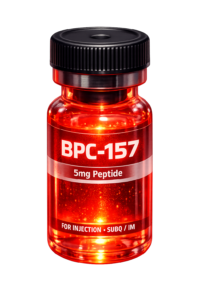 peptide’s biological origins. BPC-157 — Body Protection Compound 157 — was originally isolated from human gastric juice, which means the gut is not just an incidental beneficiary of this peptide’s healing properties: it is, in a very real sense, where BPC-157 comes from. This origin has translated into a remarkable body of evidence supporting BPC-157 gut healing as one of the most clinically validated applications of peptide therapy. For patients dealing with persistent gastrointestinal conditions — from inflammatory bowel disease to leaky gut to NSAID-induced gastropathy — understanding what BPC-157 offers, and how to access pharmaceutical-grade formulations through a trusted compounding partner like Salhab Pharmacy, may open a meaningful new avenue of recovery.
This article provides a thorough examination of BPC-157’s mechanisms in gastrointestinal healing, the specific conditions it addresses, how it is administered for GI indications, and what patients can realistically expect from a well-designed protocol.
The Gut Health Crisis: Why Gastrointestinal Repair Is So Difficult
Gastrointestinal dysfunction is among the most common and most clinically challenging areas of modern medicine. Inflammatory bowel diseases — including Crohn’s disease and ulcerative colitis — affect millions of Americans and are characterized by cycles of inflammation, mucosal injury, and impaired repair. Leaky gut syndrome, now widely recognized as a contributor to systemic inflammation, autoimmune disease, and metabolic dysfunction, reflects a failure of the tight junction proteins that normally seal the intestinal epithelium against pathogen and toxin translocation. NSAID-associated gastropathy causes gastric and intestinal ulceration in a significant proportion of patients using these medications chronically. Irritable bowel syndrome with its complex motility and visceral hypersensitivity dimensions affects quality of life profoundly and responds incompletely to available treatments.
What makes gastrointestinal repair particularly challenging is the tissue’s simultaneous exposure to mechanical stress, acidic and enzymatic contents, a massive and complex microbial community, and the immunological demands of being the body’s primary interface with the external environment. The intestinal epithelium turns over completely every three to five days under normal conditions — a regenerative demand that makes the gut one of the most metabolically active tissues in the body, and one of the most vulnerable when the molecular machinery of repair is disrupted.
Key concept: BPC-157 was originally identified in human gastric juice, where it is thought to function as part of the stomach’s intrinsic cytoprotective mechanism. Therapeutic use of BPC-157 extends and amplifies these natural protective and regenerative signals.
How BPC-157 Heals the Gut: Mechanisms of Gastrointestinal Action
BPC-157’s gastrointestinal healing effects emerge from a coordinated set of molecular mechanisms that address the full spectrum of factors driving intestinal injury and impaired repair. Understanding these mechanisms helps clarify why BPC-157 can be effective across such a wide range of gastrointestinal conditions.
Epithelial Cytoprotection and Mucosal Repair
The intestinal epithelium is the primary barrier between the gut lumen and the systemic circulation. BPC-157 exerts potent cytoprotective effects on intestinal epithelial cells — shielding them from damage caused by toxins, inflammatory mediators, ischemia, and mechanical stress. It promotes the migration and proliferation of epithelial cells at sites of mucosal injury, accelerating the re-epithelialization that is essential to healing gastric and intestinal ulcers. In preclinical models, BPC-157 has healed gastric ulcers more effectively than standard pharmaceutical treatments including sucralfate and omeprazole in head-to-head comparisons.
Tight Junction Restoration and Leaky Gut Repair
Intestinal permeability — the “leaky gut” phenomenon — occurs when the tight junction proteins that seal the spaces between intestinal epithelial cells are disrupted, allowing undigested food particles, bacterial toxins, and pathogens to translocate into systemic circulation. This translocation triggers systemic inflammation and has been implicated in a wide range of conditions including autoimmune disease, food sensitivities, metabolic endotoxemia, and neuroinflammation.
BPC-157 promotes the restoration of tight junction integrity by supporting the expression and proper localization of key tight junction proteins including claudin, occludin, and zonulin. In animal models of intestinal permeability induced by NSAIDs, alcohol, and inflammatory mediators, BPC-157 administration produced measurable reductions in gut permeability and associated systemic inflammatory markers. For patients whose health challenges stem from or are compounded by compromised gut barrier function, this mechanism is clinically significant.
Angiogenesis and Mucosal Blood Supply
Adequate blood flow is essential to mucosal healing. The gastrointestinal tract has an extraordinarily rich vascular supply under normal conditions, but ischemia — impaired blood flow — is both a cause and consequence of mucosal injury. BPC-157 is a potent stimulator of angiogenesis, promoting VEGF production and new capillary formation in damaged mucosal tissue. By restoring and enhancing the vascular supply to healing gut tissue, BPC-157 accelerates the delivery of oxygen, nutrients, and immune cells to sites of injury — accelerating every phase of the repair process.
Anti-Inflammatory Modulation in the Gut
Excessive mucosal inflammation is a defining feature of inflammatory bowel disease and contributes significantly to NSAID gastropathy and leaky gut. BPC-157 modulates the production of pro-inflammatory cytokines — including TNF-α, IL-1β, and IL-6 — in intestinal tissue, reducing the inflammatory burden without suppressing the immune activity necessary for pathogen defense. Critically, BPC-157 achieves this anti-inflammatory effect through mechanisms distinct from conventional immunosuppressants and steroids, which makes it a potentially valuable adjunct to existing IBD treatment protocols without the significant side effect profiles of those drugs.
Gastrointestinal Motility Normalization
Beyond its structural and inflammatory effects, BPC-157 has been shown to normalize gastrointestinal motility — the coordinated muscular contractions that move contents through the digestive tract. Both hypomotility (as seen in conditions like gastroparesis and constipation-predominant IBS) and hypermotility (as in diarrhea-predominant IBS and post-infectious gut dysfunction) have been improved by BPC-157 administration in preclinical models. This motility-normalizing effect is thought to be mediated through BPC-157’s interactions with the enteric nervous system and its modulation of nitric oxide signaling in smooth muscle.
Nitric Oxide Pathway and Mucosal Defense
Nitric oxide (NO) plays a central role in gastrointestinal mucosal defense and repair. At physiological levels, NO promotes mucosal blood flow, regulates gastric acid secretion, and supports the integrity of the mucus layer that protects the stomach and intestinal lining. In pathological conditions — including H. pylori infection, NSAID use, and chronic inflammation — NO production becomes dysregulated, contributing to mucosal injury. BPC-157 normalizes NO pathway activity in gastrointestinal tissue, restoring the protective functions of NO while preventing the damaging effects of excessive production.
Conditions BPC-157 Addresses in the Gastrointestinal Tract
The breadth of gastrointestinal conditions for which BPC-157 has demonstrated preclinical efficacy — and is being increasingly used in clinical practice — reflects the fundamental and multi-layered nature of its mechanisms in gut tissue.
Peptic Ulcer Disease and Gastric Ulcers
Peptic ulcer disease — the result of mucosal injury in the stomach or duodenum from H. pylori, NSAIDs, or acid hypersecretion — is one of the most extensively studied applications of BPC-157. Multiple animal studies have documented BPC-157’s ability to heal established gastric ulcers rapidly and completely, with histological evidence of epithelial regeneration and mucosal remodeling. Given its origin in gastric juice and its cytoprotective mechanisms, this is perhaps the most intuitively logical application of BPC-157 therapy.
Inflammatory Bowel Disease (IBD)
Crohn’s disease and ulcerative colitis are characterized by cycles of mucosal injury, impaired repair, and progressive intestinal damage that conventional therapies only partially address. BPC-157 has demonstrated in preclinical colitis models the ability to reduce mucosal inflammation, accelerate healing of intestinal lesions, and improve colonic architecture. Its combination of anti-inflammatory effects, tight junction restoration, angiogenic promotion, and epithelial regeneration makes it a mechanistically compelling adjunct to conventional IBD management.
NSAID-Induced Gut Damage
NSAIDs are among the most widely used medications in the world, and their gastrointestinal toxicity — ranging from erosions and ulcers to small intestinal permeability changes — represents a significant clinical problem. BPC-157 has demonstrated in multiple animal models the ability to prevent and reverse NSAID-induced gastrointestinal injury. In head-to-head studies, BPC-157 outperformed or equaled conventional gastroprotective agents (including proton pump inhibitors and misoprostol) in preventing and healing NSAID-induced ulcers. For patients who require chronic NSAID use and struggle with GI side effects, BPC-157 may represent a meaningful protective and repair-supporting intervention.
Intestinal Fistulas and Anastomotic Healing
Intestinal fistulas — abnormal connections between segments of intestine or between the intestine and other structures — are among the most challenging complications of inflammatory bowel disease and abdominal surgery. BPC-157 has demonstrated the ability to close intestinal fistulas in animal models through mechanisms involving enhanced mucosal repair and connective tissue remodeling. Similarly, BPC-157 accelerates the healing of intestinal anastomoses — surgically created connections between bowel segments — potentially reducing the risk of anastomotic leak, one of the most feared complications of bowel surgery.
Leaky Gut and Intestinal Permeability
As detailed in the mechanisms section above, BPC-157’s ability to restore tight junction integrity and reduce intestinal permeability makes it directly relevant to the growing number of patients with documented or suspected intestinal hyperpermeability. For patients whose symptoms span multiple systems — including food sensitivities, skin conditions, brain fog, joint inflammation, and metabolic dysfunction — addressing the intestinal barrier as a root cause is increasingly recognized as foundational, and BPC-157 offers a molecularly precise mechanism for doing so.
Irritable Bowel Syndrome and Functional GI Disorders
Functional gastrointestinal disorders — including IBS, functional dyspepsia, and chronic bloating — occupy a challenging clinical space where structural damage is typically absent but functional impairment is significant. BPC-157’s effects on motility normalization, mucosal integrity, and enteric nervous system modulation are mechanistically relevant to many features of these disorders. Clinical experience with BPC-157 in IBS and related conditions is accumulating, with patients reporting improvements in stool consistency, bloating, abdominal pain, and overall gastrointestinal comfort.
How BPC-157 Is Administered for Gut Healing
The appropriate route of administration for BPC-157 gut healing protocols depends on the specific condition and the desired extent of systemic versus local GI effects.
Oral BPC-157 for GI-Specific Conditions
For conditions that primarily affect the gut lumen — including peptic ulcers, NSAID-induced lesions, leaky gut, and IBD — oral BPC-157 in capsule form provides local exposure along the entire gastrointestinal tract from stomach to colon. This route is particularly logical given that the gut is the natural site of BPC-157’s activity, and oral delivery ensures direct contact between the peptide and the mucosal surfaces that require repair. Doses typically range from 250 to 500 mcg twice daily in capsule form.
Subcutaneous Injection for Systemic and Combined Effects
Subcutaneous BPC-157 injections are preferred when the therapeutic goal encompasses both gastrointestinal healing and systemic benefits — including anti-inflammatory effects, immune modulation, and neurological support. Subcutaneous delivery achieves higher systemic bioavailability than oral administration and is well-suited to patients with significant intestinal absorption impairment, which is common in IBD. Doses typically range from 200 to 500 mcg once or twice daily, injected into abdominal or thigh subcutaneous tissue.
Combined Oral and Subcutaneous Protocols
For patients with severe IBD, significant leaky gut, or complex multi-system presentations, some providers use a combination of oral and subcutaneous BPC-157 to ensure both local mucosal exposure and systemic therapeutic levels. This approach leverages the complementary advantages of both routes and may produce superior outcomes for the most challenging GI cases. Protocol design for combination approaches requires the guidance of a prescribing provider experienced in peptide therapy.
What Patients Report: Clinical Experience with BPC-157 for Gut Health
Clinical experience with BPC-157 in gastrointestinal conditions, while still accumulating in formal trial settings, reflects consistent patterns that align with the preclinical evidence. Patients with peptic ulcer disease frequently report significant reductions in pain and dyspeptic symptoms within the first week to two weeks of therapy. Those with IBD report variable but often meaningful improvements in inflammation, stool frequency, and abdominal discomfort, with the most pronounced effects typically observed over a course of four to eight weeks. Patients with leaky gut and its associated multi-system manifestations — including food sensitivities, fatigue, brain fog, and skin conditions — frequently report gradual, multi-domain improvement as intestinal barrier function is restored over several weeks of consistent therapy.
Motility improvements — reduced bloating, more regular bowel habits, resolution of urgency and cramping — are commonly reported early in GI protocols and often represent the first objective sign that BPC-157 is producing its intended effects. Sleep improvements, mood stabilization, and reduced systemic inflammatory symptoms (joint aches, skin flares, cognitive fog) often follow as downstream consequences of restored gut barrier integrity and reduced systemic endotoxin load.
Salhab Pharmacy: Your Source for Pharmaceutical-Grade BPC-157
Effective BPC-157 gut healing therapy depends entirely on the quality of the compound you are using. Because BPC-157 is a compounded pharmaceutical — not an FDA-approved commercial drug — it must be prepared by a licensed compounding pharmacy operating under strict sterile compounding standards. The quality of compounded peptides varies enormously, and patients who source BPC-157 from unverified vendors risk receiving products with incorrect potency, inadequate sterility, or potentially harmful contaminants.
Salhab Pharmacy is a licensed compounding pharmacy specializing in sterile peptide formulations including BPC-157. Every batch compounded at Salhab Pharmacy undergoes rigorous quality processes that include USP <797> sterile cleanroom preparation, independent third-party testing for potency and sterility, endotoxin testing to ensure injection-safe purity, and proper cold-chain dispensing and shipping. Certificates of Analysis are available for every batch, and our pharmacists are available to consult with both patients and prescribers on formulation options, dosing, and protocol support.
Whether you need oral capsules for focused gastrointestinal therapy or sterile subcutaneous injectable solution for systemic healing, Salhab Pharmacy provides BPC-157 formulations to meet your clinical needs — compounded with the pharmaceutical precision that effective and safe peptide therapy requires.
BPC-157 and the Gut-Brain Axis: Beyond the Gastrointestinal Tract
One of the most clinically relevant dimensions of BPC-157 gut healing therapy — and one that often surprises patients — is the degree to which restoring gastrointestinal health produces benefits that extend well beyond the digestive system itself. This connection is grounded in the increasingly well-characterized science of the gut-brain axis: the bidirectional communication network linking the enteric nervous system (the “second brain” in the gut) with the central nervous system via the vagus nerve, immune signaling, and the production and transport of neurotransmitters and their precursors.
Approximately 90 percent of the body’s serotonin is produced in the gut, and the enteric nervous system contains more neurons than the spinal cord. When the gastrointestinal tract is inflamed, leaky, or functionally impaired, these neurochemical production and signaling systems are disrupted. Systemic endotoxemia from leaky gut drives neuroinflammation. Dysregulated intestinal motility impairs nutrient absorption, including the amino acids needed for neurotransmitter synthesis. Chronic GI pain produces central sensitization that amplifies pain perception throughout the body and dysregulates mood and stress response systems.
BPC-157’s neurological properties — which include dopaminergic system modulation, serotonin pathway interactions, and direct neuroprotective effects — complement its gastrointestinal mechanisms to produce whole-system improvements that purely GI-targeted therapies cannot achieve. Patients on BPC-157 gut healing protocols frequently report improvements in mood, anxiety, sleep quality, brain fog, and stress resilience that emerge as the gut-brain axis normalizes alongside intestinal repair. These are not incidental or imagined effects — they reflect the fundamental interconnectedness of gastrointestinal and neurological health, and BPC-157’s ability to act beneficially at both ends of the axis simultaneously.
For prescribers managing patients with the common clinical combination of gastrointestinal dysfunction and mood or cognitive symptoms — an overlap seen with particular frequency in IBD, IBS, and post-viral syndromes — this dual-axis activity makes BPC-157 an especially efficient and comprehensive therapeutic choice.
Frequently Asked Questions: BPC-157 for Gut Healing
How long does BPC-157 take to heal the gut?
The timeline varies by condition and severity. Patients with acute gastric ulcers or NSAID-induced lesions often notice symptom improvement within one to two weeks. Inflammatory bowel disease and leaky gut typically require four to eight weeks of consistent therapy before significant improvement is evident, with ongoing benefit continuing to accumulate over a course of several months. Regular check-ins with your prescribing provider allow for protocol adjustments based on your clinical response.
Is oral or injectable BPC-157 better for gut health?
For conditions primarily affecting the GI mucosa — gastric ulcers, leaky gut, IBD, NSAID damage — oral BPC-157 delivers the compound directly to the affected tissues and is a logical first choice. Injectable (subcutaneous) BPC-157 is preferred when systemic anti-inflammatory or multi-tissue effects are also desired, or when intestinal absorption is significantly compromised. Many providers use a combination of both routes for complex GI presentations.
Can BPC-157 be used alongside conventional IBD medications?
Yes, in most cases. BPC-157 does not share mechanisms with conventional IBD medications (including mesalamine, steroids, and biologics) and is not known to produce pharmacological interactions with them. Some patients use BPC-157 as an adjunct to established IBD therapy to enhance mucosal healing and reduce steroid requirements. All protocol decisions should be made with your gastroenterologist and prescribing provider.
Can BPC-157 help with food sensitivities caused by leaky gut?
Yes — indirectly, but meaningfully. Many food sensitivities are driven or worsened by intestinal hyperpermeability (leaky gut), which allows incompletely digested food antigens to translocate across the gut barrier and trigger immune responses. As BPC-157 restores tight junction integrity and reduces intestinal permeability, the antigenic load crossing the gut barrier decreases, which frequently results in reduced reactivity to previously problematic foods over time. This improvement typically occurs gradually over several weeks to months of therapy.
Does BPC-157 need to be refrigerated?
Injectable BPC-157 solution should be stored refrigerated (2–8°C) and used within the timeframe specified by your compounding pharmacy. Oral BPC-157 capsules are generally more stable at room temperature but should be stored according to the pharmacy’s instructions. Salhab Pharmacy provides clear storage guidance with every dispensed order and ships products with appropriate temperature protection.
Conclusion: Heal Your Gut with BPC-157 from Salhab Pharmacy
For patients dealing with the frustrating and health-compromising effects of gastrointestinal dysfunction — whether inflammatory bowel disease, peptic ulcer, leaky gut, NSAID gastropathy, or functional disorders — BPC-157 gut healing therapy offers a scientifically grounded, mechanistically precise path toward meaningful recovery. By restoring mucosal integrity, reducing inflammation, promoting angiogenesis, normalizing motility, and repairing tight junctions, BPC-157 addresses the root biological processes underlying gastrointestinal disease rather than merely managing symptoms.
The key to accessing the full benefit of this therapy is pharmaceutical quality. Contact Salhab Pharmacy today to speak with a compounding specialist about BPC-157 formulations, to confirm your prescriber can send a prescription directly to our pharmacy, or to ask any questions about our quality processes and product offerings. Your gut health deserves the precision, safety, and efficacy that Salhab Pharmacy’s pharmaceutical-grade compounded peptides provide.


