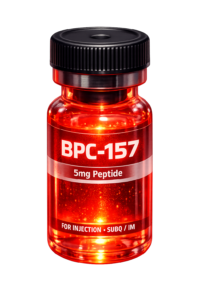
If you have been exploring peptide therapy, chances are you have come across BPC-157 peptide — one of the most researched and clinically discussed compounds in regenerative medicine today. Originally derived from a protein naturally found in human gastric juice, BPC-157 has attracted extraordinary scientific attention for its broad-spectrum healing properties, remarkable safety profile, and versatility across a wide range of clinical applications. Whether you are recovering from an injury, managing a chronic condition, or seeking to optimize your body’s repair capacity, understanding BPC-157 and how to access pharmaceutical-grade formulations from a trusted source like Salhab Pharmacy is an essential first step.
This comprehensive guide covers everything you need to know about BPC-157: what it is, how it works at a molecular level, what conditions and goals it addresses, how it is dosed, and why sourcing matters when it comes to injectable peptide therapy.
What Is BPC-157? Understanding the Body Protection Compound
BPC-157 defined: BPC-157 (Body Protection Compound-157) is a synthetic pentadecapeptide consisting of 15 amino acids. It is a partial sequence derived from body protection compound, a protein found in human gastric juice. It is not naturally produced in isolated form by the body but is synthesized for therapeutic use by licensed compounding pharmacies.
The designation “Body Protection Compound” is an apt one. BPC-157 has demonstrated in preclinical and clinical research a remarkable capacity to accelerate and enhance the body’s own repair mechanisms across multiple tissue types — tendons, ligaments, muscle, bone, nerve, gastrointestinal mucosa, and blood vessels. This multi-system efficacy distinguishes BPC-157 from most conventional therapeutic agents, which tend to target a single pathway or tissue type.
What makes BPC-157 particularly compelling from a scientific standpoint is that it achieves these healing effects not by introducing a foreign pharmacological agent, but by potentiating processes the body already uses to repair itself. BPC-157 upregulates growth hormone receptors in tendon fibroblasts, promotes angiogenesis (the formation of new blood vessels), modulates nitric oxide production, and interacts with the dopaminergic and serotonergic systems in the brain. The result is accelerated healing that is both more effective and more tissue-specific than conventional treatments for many conditions.
How Does BPC-157 Work? The Mechanisms of Action
Understanding the mechanisms behind BPC-157’s therapeutic effects requires a brief look at the molecular biology of tissue repair. When tissue is damaged — whether through acute injury, chronic inflammation, or disease — the body initiates a multi-phase repair sequence: hemostasis, inflammation, proliferation, and remodeling. BPC-157 appears to act at multiple points within this sequence, accelerating its progression and enhancing the quality of the tissue produced.
Growth Hormone Receptor Upregulation
One of BPC-157’s most significant mechanisms is its ability to upregulate growth hormone (GH) receptors in fibroblasts — the cells responsible for producing collagen and other extracellular matrix components that form the structural scaffold of healing tissue. By sensitizing these cells to growth hormone, BPC-157 essentially amplifies the anabolic signaling that drives collagen synthesis and tissue remodeling. This is particularly relevant for tendon and ligament injuries, where the limited vascularity of these tissues normally makes repair slow and incomplete.
Angiogenesis and Vascular Repair
Healing requires blood supply, and BPC-157 is a potent promoter of angiogenesis — the formation of new blood vessels. It stimulates the production of vascular endothelial growth factor (VEGF) and upregulates VEGFR2 expression, driving the development of new capillary networks into damaged tissue. This enhanced vascular supply not only accelerates healing but also improves the long-term structural quality of repaired tissue by ensuring adequate nutrient and oxygen delivery during the remodeling phase.
Nitric Oxide Pathway Modulation
BPC-157 exerts significant effects on nitric oxide (NO) production and signaling. Nitric oxide plays a dual role in tissue repair: at appropriate levels it supports vasodilation, blood flow, and cellular communication critical to healing; at excessive levels (as occurs in chronic inflammation) it contributes to tissue damage. BPC-157 appears to normalize NO pathway activity — supporting its beneficial functions while limiting pathological overproduction. This NO-modulating activity is thought to be central to BPC-157’s effects on gut healing, blood pressure regulation, and neuroprotection.
Anti-Inflammatory Signaling
Chronic inflammation is one of the most common barriers to effective tissue repair, and it underlies many of the conditions for which BPC-157 is clinically used. BPC-157 has demonstrated the ability to reduce pro-inflammatory cytokine production — including TNF-α, IL-6, and IL-1β — while supporting the transition from the inflammatory to the proliferative phase of healing. This anti-inflammatory effect is not immunosuppressive in the traditional sense; rather, it appears to resolve inappropriate or excessive inflammation while preserving the immune activity necessary for pathogen defense and tissue surveillance.
Neurotrophic and Neuroprotective Effects
BPC-157 interacts with several neurotransmitter systems — including dopamine, serotonin, GABA, and glutamate — producing a range of neuroprotective and neuroregenerative effects. It has demonstrated the ability to protect dopaminergic neurons from toxin-induced damage, accelerate peripheral nerve regeneration following injury, and reduce the behavioral sequelae of traumatic brain injury in preclinical models. These neurological effects add significant clinical relevance, particularly for patients dealing with neuropathic pain, mood dysregulation, or nerve injuries.
What Are the Benefits of BPC-157?
The breadth of BPC-157’s documented benefits is one of its most remarkable characteristics. Unlike most therapeutic peptides — which target a narrow physiological window — BPC-157 demonstrates meaningful efficacy across a wide spectrum of conditions and body systems. The following represents the most consistently supported benefits in the scientific and clinical literature.
Accelerated Musculoskeletal Healing
BPC-157 has perhaps the strongest evidence base in the area of musculoskeletal repair. Studies have documented significant acceleration of healing in a wide range of injury models, including rotator cuff tears, Achilles tendon ruptures, anterior cruciate ligament damage, muscle lacerations, bone fractures, and cartilage defects. The proposed mechanisms — growth hormone receptor upregulation, angiogenesis, and fibroblast activation — explain the consistent findings across these different tissue types.
For athletes, weekend warriors, and anyone recovering from orthopedic injury, BPC-157 represents a compelling adjunct to conventional rehabilitation. Its ability to accelerate the rate-limiting steps of tendon and ligament healing — which are naturally slow due to limited vascularity — is of particular practical significance.
Gastrointestinal Healing and Gut Integrity
BPC-157’s origins in gastric physiology inform one of its most powerful clinical applications: gastrointestinal repair. BPC-157 has been demonstrated to heal peptic ulcers, repair intestinal anastomoses, reverse intestinal fistulas, and protect the gut lining from NSAID-induced damage. It reduces intestinal permeability (colloquially known as “leaky gut”), promotes the repair of intestinal villi, and restores normal gastrointestinal motility following disruption.
For patients with inflammatory bowel disease, irritable bowel syndrome, NSAID-related gastropathy, or post-surgical gut dysfunction, BPC-157 offers mechanisms of repair that go beyond symptomatic relief to address the underlying structural and functional deficits in the gut wall.
Systemic Anti-Inflammatory Effects
Beyond its local tissue effects, BPC-157 exerts meaningful systemic anti-inflammatory effects that are relevant to the management of chronic inflammatory conditions. By modulating cytokine production and normalizing nitric oxide signaling, BPC-157 can reduce the chronic low-grade inflammation that underlies a wide range of conditions — from metabolic syndrome to autoimmune disease to neuroinflammation. This systemic benefit is one reason BPC-157 is increasingly being incorporated into comprehensive anti-aging and metabolic optimization protocols.
Nerve Regeneration and Neuroprotection
Peripheral nerve injuries are among the most functionally devastating and difficult-to-treat musculoskeletal conditions, and BPC-157 has demonstrated remarkable efficacy in preclinical nerve injury models. It accelerates axonal regeneration, reduces scar tissue formation in nerve sheaths, and supports the functional recovery of nerve-innervated muscle. For patients with carpal tunnel syndrome, peripheral neuropathy, radiculopathy, or post-surgical nerve damage, BPC-157’s neuroregenerative properties represent a meaningful therapeutic option.
Cardiovascular and Vascular Health
BPC-157 supports cardiovascular health through multiple mechanisms: it promotes angiogenesis, modulates blood pressure through nitric oxide pathways, protects cardiomyocytes from ischemic damage, and accelerates the healing of damaged vascular endothelium. Animal studies have demonstrated protective effects in models of heart attack and peripheral vascular disease. While human cardiovascular data is still emerging, these mechanisms make BPC-157 a component of interest in comprehensive cardiovascular health protocols.
Mood Regulation and Brain Health
BPC-157’s interactions with dopaminergic, serotonergic, and GABAergic systems produce clinically relevant effects on mood and neurological function. Preclinical research has shown BPC-157 to reverse dopamine system dysfunction, reduce anxiety and depression-like behaviors, and provide protection against psychostimulant-induced neurotoxicity. Patients using BPC-157 for musculoskeletal or gastrointestinal indications frequently report improvements in mood, stress resilience, and mental clarity as secondary benefits.
BPC-157 Dosing: What Protocols Are Used?
BPC-157 dosing protocols vary by clinical indication, route of administration, and provider preference. The following represents general guidance used in clinical peptide therapy practice; your specific protocol should be designed in partnership with a qualified prescribing provider.
Standard Dosing Range
The most commonly used dose range for BPC-157 is 200–500 mcg per injection, administered once or twice daily. For acute injuries, higher-frequency dosing (twice daily) during the first two to four weeks is often recommended to maximize tissue loading and accelerate the early repair phases. For ongoing maintenance, systemic inflammation management, or gut healing, once-daily dosing is typically sufficient.
Routes of Administration
- Subcutaneous (SQ): The most common route for systemic effects. Injected into the fatty tissue of the abdomen or thigh, subcutaneous administration delivers BPC-157 into the systemic circulation for whole-body distribution. This route is preferred for gut healing, anti-inflammatory applications, and neuroprotection.
- Intramuscular (IM): Injected directly into or near the affected muscle or tissue. This route is preferred when targeting a specific musculoskeletal injury, as it provides higher local concentration in the injured tissue.
- Oral (capsule): Oral BPC-157 has demonstrated efficacy specifically for gastrointestinal conditions, where the compound exerts its effects locally in the gut lumen. Oral bioavailability for systemic applications is lower than injectable routes, making it a preferred choice for GI-specific protocols rather than systemic healing.
Typical Protocol Duration
For acute injuries, most practitioners recommend a course of four to twelve weeks, depending on the severity and nature of the injury. For chronic conditions — such as inflammatory bowel disease, systemic inflammation, or ongoing joint degeneration — longer protocols with periodic reassessment are common. BPC-157 does not appear to require cycling in the same way as some other peptides, and extended use has not been associated with tolerance or loss of efficacy in the available literature.
BPC-157 Safety Profile: What the Research Shows
One of BPC-157’s most clinically appealing characteristics is its consistently favorable safety profile across a large body of preclinical research and growing clinical use. Animal studies have tested doses dramatically higher than those used therapeutically without producing adverse effects, and BPC-157 has demonstrated no organ toxicity, mutagenicity, or teratogenicity in preclinical models. No significant drug interactions have been identified, and the compound does not appear to dysregulate endogenous hormone production in the way that some other growth-promoting peptides can.
Side effects in clinical use are generally mild and transient, most commonly including minor injection site discomfort and occasional brief fatigue during the initial adjustment period. Serious adverse events are rare and have not been consistently documented in the literature. As with all compounded injectables, proper sourcing from a licensed, quality-controlled compounding pharmacy is essential to minimize risks associated with contamination or incorrect dosing.
Why Sourcing BPC-157 from Salhab Pharmacy Matters
The therapeutic value of any injectable peptide is only as good as its pharmaceutical quality. BPC-157 is not an FDA-approved drug; it is compounded by licensed pharmacies operating under the regulatory framework of state boards of pharmacy and USP sterile compounding standards. This means that quality varies significantly between sources, and patients must be discerning about where their peptides come from.
Salhab Pharmacy is a trusted, licensed compounding pharmacy with deep expertise in sterile peptide preparation. When you source BPC-157 through Salhab Pharmacy, you receive:
- Pharmaceutical-grade BPC-157 compounded in a USP <797> compliant sterile cleanroom environment
- Independent third-party testing for potency, sterility, and endotoxin levels on every batch
- A Certificate of Analysis (COA) documenting the quality of your specific formulation
- Proper cold-chain packaging to preserve peptide stability during shipping
- Knowledgeable pharmacists available to answer clinical questions about your protocol
- Dispensing only on receipt of a valid prescription from a licensed prescriber
Patients and prescribers who choose Salhab Pharmacy for BPC-157 and other compounded peptides are choosing a partner with the quality systems, clinical knowledge, and commitment to patient safety that injectable therapy demands. Do not compromise on the source of your compounded medications — the integrity of your therapy depends on it.
Who Should Consider BPC-157 Therapy?
BPC-157 has a broad patient population given its multi-system efficacy. The following categories represent the most clearly indicated patient profiles based on current evidence and clinical practice:
- Athletes and active individuals recovering from tendon, ligament, or muscle injuries
- Patients with chronic musculoskeletal pain from degenerative joint disease or repetitive strain
- Individuals with inflammatory bowel disease, leaky gut, peptic ulcer disease, or NSAID-related gastropathy
- Patients with peripheral neuropathy or nerve injuries requiring regenerative support
- Individuals with systemic chronic inflammation or autoimmune conditions
- Post-surgical patients seeking to accelerate tissue healing and reduce complications
- Patients in comprehensive anti-aging or longevity protocols seeking multi-system cellular optimization
- Individuals with mood dysregulation, anxiety, or depression with suspected neurochemical underpinnings
A consultation with a qualified provider — ideally one with experience in functional medicine or peptide therapy — is the appropriate first step. Your provider will review your health history, determine whether BPC-157 is indicated, and design a protocol tailored to your specific goals and clinical needs.
BPC-157 and the Broader Peptide Therapy Landscape
BPC-157 does not exist in isolation within the modern peptide therapy toolkit. Understanding how it relates to and complements other therapeutic peptides helps prescribers and patients design protocols that are greater than the sum of their parts. While BPC-157 is a powerful standalone therapy, its mechanisms are complementary to several other widely used peptides, and thoughtful combination protocols can produce significantly enhanced outcomes across multiple domains.
TB-500 (synthetic Thymosin Beta-4) is the peptide most commonly paired with BPC-157 for musculoskeletal applications. TB-500 promotes cell migration and actin polymerization — mechanisms that are distinct from but synergistic with BPC-157’s angiogenic and fibroblast-activating properties. The combination is frequently used for complex orthopedic injuries where maximum healing support is desired, and clinical experience suggests the pairing outperforms either peptide alone for tendon and ligament repair.
For patients pursuing anti-aging and longevity optimization, BPC-157 pairs naturally with NAD+ injections — which address cellular energy, DNA repair, and sirtuin activation — and with GHK-Cu, which promotes collagen synthesis, skin rejuvenation, and systemic anti-inflammatory effects. The addition of growth hormone secretagogues such as sermorelin or ipamorelin/CJC-1295 creates a particularly compelling synergy with BPC-157, since these compounds raise circulating GH levels while BPC-157 simultaneously upregulates GH receptor sensitivity in target tissues. The result is a more complete anabolic signaling environment for tissue repair and regeneration than either approach achieves independently.
All combination protocols should be designed by a qualified prescribing provider with experience in peptide therapy. Salhab Pharmacy’s compounding pharmacists are available to consult on formulation compatibility, preparation options, and protocol questions for providers managing patients on multi-peptide regimens.
Frequently Asked Questions About BPC-157
How quickly does BPC-157 work?
Many patients report noticeable improvements in pain, mobility, or gastrointestinal symptoms within the first one to two weeks of therapy. For acute musculoskeletal injuries, objective improvement in function typically becomes apparent within two to four weeks. Full therapeutic benefit for more complex or chronic conditions may require six to twelve weeks of consistent protocol adherence.
Is BPC-157 legal?
BPC-157 is legal in the United States when compounded and dispensed by a licensed compounding pharmacy pursuant to a valid prescription from a licensed practitioner. It is not an FDA-approved drug, and it is not legal for sale as a dietary supplement or for human use without a prescription. Athletes should be aware that BPC-157 is on the World Anti-Doping Agency (WADA) prohibited list for competition use.
Can BPC-157 be taken orally?
Yes, oral BPC-157 (typically in capsule form) is an option, particularly for gastrointestinal indications where local GI tract exposure is the therapeutic objective. For systemic applications — including musculoskeletal healing, neurological support, or anti-inflammatory effects — injectable routes (subcutaneous or intramuscular) offer superior bioavailability and are generally preferred by clinicians.
Can BPC-157 be stacked with other peptides?
Yes. BPC-157 is commonly stacked with TB-500 (Thymosin Beta-4) for synergistic musculoskeletal healing, with NAD+ for cellular energy and anti-aging optimization, with GHK-Cu for collagen synthesis and skin rejuvenation, and with sermorelin or ipamorelin for comprehensive growth hormone and metabolic optimization. Stacking protocols should be designed by a qualified provider to ensure compatibility and appropriate dosing.
Does BPC-157 require refrigeration?
Yes. Reconstituted BPC-157 should be refrigerated (2–8°C) and used within a timeframe specified by your compounding pharmacy — typically 30 to 60 days once reconstituted. Lyophilized (freeze-dried) BPC-157 powder has a longer shelf life but should also be stored according to pharmacy instructions. Salhab Pharmacy ships BPC-157 in appropriate cold-chain packaging to ensure product integrity upon arrival.
Conclusion: Start Your BPC-157 Journey with Salhab Pharmacy
BPC-157 peptide represents one of the most versatile, well-studied, and clinically promising tools in regenerative and functional medicine today. Its ability to accelerate healing across multiple tissue types, reduce systemic inflammation, support nerve regeneration, protect the gastrointestinal tract, and modulate neurological function makes it genuinely unique among therapeutic peptides. For patients and practitioners serious about optimizing the body’s repair capacity and achieving lasting improvements in health and function, BPC-157 is a cornerstone therapy.
The foundation of any successful BPC-157 protocol is pharmaceutical quality. Salhab Pharmacy provides licensed, accredited, third-party-tested BPC-157 compounded under USP <797> sterile standards — giving patients and prescribers the confidence that every vial meets the quality requirements that effective and safe injectable therapy demands.
To learn more about BPC-157 or to speak with a knowledgeable compounding pharmacist about your peptide therapy needs, contact Salhab Pharmacy today. Your provider can send a prescription directly, and our team is available to answer any clinical or logistical questions about your protocol.


