
Few medical treatments in recent memory have generated as much attention as semaglutide injections. Once used almost exclusively for managing Type 2 diabetes, this weekly injectable medication is now at the center of a paradigm shift in how medicine approaches obesity, cardiovascular disease, and metabolic health. From primetime news coverage to peer-reviewed journals in The New England Journal of Medicine and The Lancet, semaglutide has established itself as one of the most clinically significant medications of the past decade.
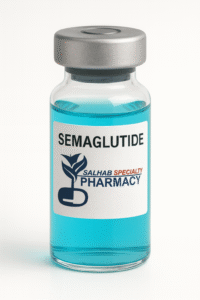
If you are exploring semaglutide injections as a treatment option — or simply trying to understand what all the discussion is about — this guide covers everything you need to know. We walk through the science of how semaglutide works at a biological level, what the large-scale clinical trials actually found, who qualifies for treatment, and what you can realistically expect from therapy.
Semaglutide Injections: A once-weekly subcutaneous medication that mimics the GLP-1 hormone to regulate blood sugar, suppress appetite, and promote significant weight loss.
This article is for informational purposes only and does not constitute medical advice. Always consult a licensed healthcare provider before starting or changing any medication.
What Is Semaglutide?
Semaglutide is a glucagon-like peptide-1 (GLP-1) receptor agonist — a class of medication that mimics the action of a naturally occurring hormone in the human body called GLP-1. This hormone is normally released from the intestines in response to eating and plays a central role in regulating blood sugar, appetite, digestion, and energy metabolism.
GLP-1 Receptor Agonist: A class of drugs that activate the glucagon-like peptide-1 receptor, leading to increased insulin secretion, decreased glucagon release, and slowed gastric emptying.
Developed by the Danish pharmaceutical company Novo Nordisk, semaglutide was first approved by the U.S. Food and Drug Administration (FDA) in 2017 as Ozempic for the treatment of Type 2 diabetes. A few years later, a higher-dose formulation under the brand name Wegovy was approved specifically for chronic weight management in adults with obesity or overweight with at least one weight-related health condition.
What makes semaglutide distinct from earlier GLP-1 medications — such as liraglutide (Victoza/Saxenda) — is its extended half-life of approximately one week. This means it only needs to be injected once per week rather than daily, a factor that significantly improves patient adherence and convenience.
Semaglutide is also available in an oral tablet form (Rybelsus), though the injectable formulation consistently demonstrates superior bioavailability and more pronounced clinical outcomes in head-to-head comparisons.
How Do Semaglutide Injections Work?
To understand why semaglutide is so effective, it helps to understand the underlying biology it targets.
GLP-1: The Hunger and Blood Sugar Hormone
When you eat a meal, your gastrointestinal tract releases GLP-1 into the bloodstream. This hormone signals several critical processes:
•It tells the pancreas to release insulin (lowering blood sugar).
•It suppresses glucagon production (preventing excess glucose release from the liver).
•It slows gastric emptying (so food moves more slowly out of the stomach).
•It communicates with appetite-regulating centers in the brain.
In people with obesity or Type 2 diabetes, these natural GLP-1 signals are often impaired or insufficient. Semaglutide steps in as a potent, long-acting analog of the natural GLP-1 hormone. It binds to GLP-1 receptors throughout the body — in the pancreas, stomach, liver, and brain — and activates the same pathways with much greater intensity and duration than the body’s own hormone.
Central Nervous System Effects
One of the most clinically significant aspects of semaglutide’s mechanism is its action on the brain. Research has confirmed that semaglutide crosses the blood-brain barrier and activates GLP-1 receptors in the hypothalamus and prefrontal cortex — areas directly involved in appetite regulation, reward-driven eating, and food-seeking behavior. This is why many patients report not just feeling fuller faster, but also experiencing a meaningful reduction in food cravings and interest in high-calorie foods. This effect is often referred to as “quieting the food noise.”
Slowing Gastric Emptying
Semaglutide significantly slows the rate at which the stomach empties its contents into the small intestine. This prolongs the sensation of fullness after eating and helps reduce overall caloric intake without requiring the patient to rely solely on willpower. It also contributes to better post-meal blood sugar control by slowing the absorption of glucose.
Protecting Against DPP-4 Degradation
Natural GLP-1 is rapidly broken down in the body by an enzyme called dipeptidyl-peptidase 4 (DPP-4), giving it a half-life of only a few minutes. Semaglutide has been chemically modified — including the substitution of alanine at position 8 — to resist DPP-4 degradation. It is also more than 99% bound to plasma albumin, which further protects it from renal clearance. The result is a medication with an effective half-life of approximately one week, requiring only a once-weekly subcutaneous injection.
Types and Brand Names of Semaglutide
Semaglutide is available under several brand names, each formulated for a different primary purpose:
Ozempic (Subcutaneous Injection, 0.5 mg–2 mg)
Ozempic is the original injectable formulation of semaglutide, approved for improving glycemic control in adults with Type 2 diabetes. It is also used to reduce the risk of major cardiovascular events (heart attack, stroke, cardiovascular death) in adults with Type 2 diabetes and established cardiovascular disease. Ozempic is administered once weekly via subcutaneous injection using a pre-filled pen device.
Wegovy (Subcutaneous Injection, 2.4 mg)
Wegovy is the higher-dose formulation of semaglutide approved for chronic weight management in adults with a BMI of 30 or greater, or 27 or greater with at least one weight-related condition (such as hypertension, Type 2 diabetes, or dyslipidemia). It uses the same once-weekly injection schedule but delivers a 2.4 mg maintenance dose — nearly two and a half times the maximum dose of Ozempic. Wegovy has also received FDA approval for cardiovascular risk reduction in adults with obesity and pre-existing cardiovascular disease who do not have diabetes.
Rybelsus (Oral Tablet, 3 mg–14 mg)
Rybelsus is the oral formulation of semaglutide, approved for Type 2 diabetes management. While it offers the convenience of a daily pill rather than an injection, its bioavailability is significantly lower and more variable than the subcutaneous forms. Clinical data consistently shows that injectable semaglutide produces greater weight loss and more predictable outcomes than oral semaglutide at comparable doses.
FDA Approval and Current Indications
Semaglutide holds multiple distinct FDA approvals, reflecting the breadth of its demonstrated clinical utility:
•Type 2 Diabetes Management: Ozempic is approved as an adjunct to diet and exercise to improve glycemic control in adults with Type 2 diabetes mellitus.
•Cardiovascular Risk Reduction in T2D: Ozempic is approved to reduce the risk of major cardiovascular events in adults with Type 2 diabetes and established cardiovascular disease.
•Chronic Weight Management: Wegovy (2.4 mg) is approved as an adjunct to a reduced-calorie diet and increased physical activity for chronic weight management in adults with obesity (BMI ≥ 30) or overweight (BMI ≥ 27) with a weight-related comorbidity.
•Cardiovascular Risk Reduction Without Diabetes: Wegovy is approved to reduce the risk of serious cardiovascular events in adults with established cardiovascular disease and obesity or overweight, regardless of diabetes status — a landmark expansion of its label.
•Weight Management in Adolescents: Wegovy is approved for chronic weight management in adolescents aged 12 and older with obesity (BMI at or above the 95th percentile for their age and sex).
What the Clinical Evidence Shows
The clinical evidence supporting semaglutide injections is among the most robust in the history of obesity pharmacotherapy. The landmark STEP (Semaglutide Treatment Effect in People with Obesity) program comprises multiple large-scale, randomized, double-blind, placebo-controlled trials that evaluated semaglutide 2.4 mg across diverse patient populations.
STEP 1: The Pivotal Weight Loss Trial
In the foundational STEP 1 trial, published in The New England Journal of Medicine, 1,961 adults with obesity (without Type 2 diabetes) were randomized to once-weekly semaglutide 2.4 mg or placebo for 68 weeks, alongside lifestyle intervention. The results were striking: participants on semaglutide lost an average of 14.9% of their body weight, compared with 2.4% in the placebo group — a treatment difference of approximately 12.4 percentage points. When only those who completed treatment as intended were analyzed, mean weight loss with semaglutide reached 16.9%.
STEP 2 Through STEP 8: Broad Confirmation
Across the full STEP program (STEP 1, 3, 4, and 8), semaglutide 2.4 mg was associated with mean weight losses of 14.9% to 17.4% in individuals without Type 2 diabetes at 68 weeks. Between 69% and 79% of participants achieved at least 10% weight loss, and 51% to 64% achieved at least 15% weight loss — results that are unprecedented for a pharmacological agent alone.
STEP 4: What Happens When You Stop?
The STEP 4 withdrawal trial provided important insight into the ongoing nature of semaglutide therapy. Participants who were withdrawn from semaglutide after 20 weeks of treatment regained the majority of their lost weight within the subsequent year, while those who continued treatment maintained their weight loss. This confirmed that semaglutide, like most effective obesity treatments, requires continued use to sustain its benefits — and that obesity itself is a chronic, relapsing condition that benefits from long-term pharmacological support.
STEP UP Trials (2025): Higher Doses Show Greater Efficacy
The most recent data comes from the 2025 STEP UP clinical trials, published in The Lancet Diabetes & Endocrinology, which evaluated semaglutide at a 7.2 mg weekly dose — three times the current standard dose. Results were remarkable: in the STEP UP Obesity trial, nearly a third of patients lost 25% or more of their starting body weight on the higher dose, compared with 15% at the standard 2.4 mg dose. In people with Type 2 diabetes and obesity, the 7.2 mg dose produced average weight loss of 13.2%, compared with 10.4% at the standard dose. The safety profile remained consistent, with a slightly higher rate of dysaesthesia (altered touch sensation, affecting approximately 20%) being the primary additional side effect noted.
Cardiovascular Benefits Beyond Weight Loss
Perhaps the most medically significant development in the semaglutide story is the growing evidence for direct cardiovascular protection.
The SELECT Trial
The landmark SELECT (Semaglutide Effects on Heart Disease and Stroke in Patients With Overweight or Obesity) trial enrolled 17,604 adults with established cardiovascular disease, overweight or obesity, but without diabetes. After 68 weeks, those receiving semaglutide 2.4 mg experienced a 20% relative risk reduction in major adverse cardiovascular events (MACE) — a composite of cardiovascular death, non-fatal myocardial infarction, and non-fatal stroke — compared to placebo. This was a profound finding: for the first time, an obesity medication demonstrated primary cardiovascular event reduction in people without diabetes.
The SUSTAIN Program: Benefits in Type 2 Diabetes
Earlier trials in the SUSTAIN program demonstrated that subcutaneous semaglutide reduced the composite cardiovascular outcome by approximately 26% in patients with Type 2 diabetes and high cardiovascular risk. A comprehensive meta-analysis of randomized controlled trials involving 27,617 individuals found that semaglutide was associated with a significant reduction in MACE (relative risk 0.81) and cardiovascular death, with all-cause mortality reduced by approximately 15%.
Mechanisms of Cardiovascular Protection
Research points to multiple mechanisms through which semaglutide may protect the heart and vasculature. These include:
•Blood Pressure Reduction: An average decrease of approximately 3.3 mmHg in systolic blood pressure was observed in SELECT.
•Lipid Profile Improvements: Better cholesterol and triglyceride levels.
•Reduced Inflammation: A roughly 38% reduction in high-sensitivity C-reactive protein (a marker of systemic inflammation comparable to the effect of statins).
•Adipose Tissue Reduction: Reductions in ectopic adipose tissue around the heart and blood vessels.
•Heart Failure Support: Improvement in left ventricular function in patients with heart failure with preserved ejection fraction (HFpEF).
Who Qualifies for Semaglutide Injections?
Eligibility for semaglutide injections depends on the specific indication and formulation being considered. Below are the general criteria, though individual clinical circumstances vary and the decision always rests with a licensed healthcare provider.
Wegovy (Weight Management)
The FDA indicates Wegovy for adults who meet one of these criteria:
•A Body Mass Index (BMI) of 30 kg/m² or greater (obesity)
•A BMI of 27 kg/m² or greater with at least one weight-related comorbidity such as hypertension, Type 2 diabetes, or dyslipidemia
Wegovy is intended as an adjunct to a reduced-calorie diet and increased physical activity — it is not a standalone solution, but a powerful tool when combined with lifestyle changes.
Ozempic (Type 2 Diabetes)
Ozempic is indicated for adults with Type 2 diabetes as an adjunct to diet and exercise for glycemic control, and for cardiovascular risk reduction in those with established cardiovascular disease.
Who Should Not Use Semaglutide?
Semaglutide is contraindicated in the following situations:
•Personal or family history of medullary thyroid carcinoma (MTC)
•Patients with Multiple Endocrine Neoplasia syndrome type 2 (MEN 2)
•Pregnancy — semaglutide has been associated with adverse fetal outcomes in animal studies and is not recommended during pregnancy
•Known hypersensitivity to semaglutide or any components of the product
•Patients with unstable or advanced diabetic retinopathy should use semaglutide with caution
•Patients with stage 5 chronic kidney disease or Type 1 diabetes (limited data; generally not recommended)
What to Expect When Starting Semaglutide Injections
The Dose Escalation Schedule
Semaglutide is always started at a low dose and gradually increased over several months to allow the body to acclimate and minimize gastrointestinal side effects. For Wegovy (weight management), the standard escalation schedule is:
•Weeks 1–4: 0.25 mg once weekly
•Weeks 5–8: 0.5 mg once weekly
•Weeks 9–12: 1.0 mg once weekly
•Weeks 13–16: 1.7 mg once weekly
•Week 17 onward: 2.4 mg once weekly (maintenance dose)
Patients who do not tolerate a dose increase due to side effects may remain at the previous dose for an additional four weeks before attempting to escalate again. The dose escalation period is important — it should not be rushed.
How to Administer Semaglutide Injections
Semaglutide is administered as a subcutaneous injection — meaning it is injected under the skin, not into a vein or muscle. Approved injection sites are:
•The abdomen
•The outer thigh
•The upper arm
Clinical pharmacokinetic data confirms that equivalent drug absorption is achieved from all three sites. Injections should be rotated among these sites weekly to minimize local skin reactions. The medication comes in a pre-filled, multi-dose injection pen designed for self-administration.
When Will You Start to See Results?
Weight loss is typically observable from the first post-treatment assessment at around week 4, though the magnitude increases progressively with dose escalation. In the STEP 1 trial, weight loss continued to accrue and reached its lowest point (nadir) at approximately week 60, before plateauing. Most patients should expect to be on semaglutide for at least 16 weeks before reaching the maintenance dose and seeing the full trajectory of their response.
Peak Concentration and Steady State
After a subcutaneous injection, semaglutide reaches peak blood concentrations approximately 3 days later. Steady-state concentrations are achieved by week 5 of once-weekly dosing. The half-life of approximately one week means that semaglutide remains present in the body for approximately 5–7 weeks after the last dose.
Lifestyle Factors That Maximize Semaglutide Results
Semaglutide is FDA-approved as an adjunct to lifestyle intervention — and this language matters. While semaglutide is extraordinarily effective as a pharmacological agent, real-world data from the Cleveland Clinic and other major health systems shows that patients who combine it with dietary changes and increased physical activity achieve significantly better outcomes than those who rely on the medication alone.
Dietary Considerations
Because semaglutide slows gastric emptying and reduces appetite, most patients find they naturally consume smaller portions. This makes it an ideal time to focus on nutritional quality rather than quantity. A diet rich in lean protein, vegetables, legumes, and whole grains — while limiting ultra-processed foods, refined carbohydrates, and added sugars — tends to maximize weight loss outcomes and support metabolic health improvements.
Patients should also be aware that because food moves more slowly through the digestive system on semaglutide, large or particularly fatty meals may increase the likelihood of nausea, particularly during the early dose escalation phase. Eating smaller, more frequent meals and avoiding lying down immediately after eating can help.
Physical Activity
Exercise complements semaglutide in multiple ways:
•Muscle Preservation: It preserves lean muscle mass during weight loss.
•Insulin Sensitivity: It improves how the body uses insulin.
•Cardiovascular Health: It reduces cardiovascular risk factors.
•Weight Maintenance: It supports long-term weight maintenance.
The STEP 3 trial, which combined intensive behavioral therapy with semaglutide, produced some of the highest weight loss results in the entire STEP program, underscoring the synergy between pharmacotherapy and lifestyle change.
Staying on Therapy
A critical finding from real-world studies is that treatment continuity is one of the strongest predictors of meaningful weight loss. Data from Cleveland Clinic showed that patients who did not discontinue treatment and were on a high maintenance dose lost an average of 13.7% of their body weight — nearly four times more than patients who discontinued early. Sticking with the prescribed dose escalation schedule and communicating openly with your healthcare provider about any side effects is essential to achieving the best possible outcome.
Frequently Asked Questions About Semaglutide Injections
How is semaglutide different from Ozempic and Wegovy?
Semaglutide is the active drug molecule. Ozempic and Wegovy are different brand name formulations of semaglutide. Ozempic (available in doses up to 2 mg weekly) is approved for Type 2 diabetes and cardiovascular risk reduction. Wegovy (2.4 mg weekly) is approved specifically for chronic weight management and cardiovascular risk reduction in people with obesity. They contain the same active ingredient at different doses and for different primary indications.
Can semaglutide be used off-label?
Yes. Healthcare providers may prescribe semaglutide off-label, such as prescribing Ozempic for weight loss rather than Wegovy, or using it in patients who fall slightly outside the formal BMI criteria. Off-label prescribing is legal and common in medicine, though coverage by insurance typically requires the prescribing indication to match the approved label.
How long do you have to stay on semaglutide?
Semaglutide is intended for long-term, ongoing use. Clinical evidence from the STEP 4 withdrawal trial demonstrated that most patients regain a significant portion of their lost weight within 12 months of stopping the medication. This reflects the chronic nature of obesity as a disease — just as blood pressure medications or statins are taken indefinitely to maintain their benefits, semaglutide appears most effective when used as a long-term treatment strategy.
Is semaglutide safe for people without diabetes?
Yes. Wegovy (semaglutide 2.4 mg) is FDA-approved for weight management in people without diabetes and has demonstrated a strong safety profile in multiple large clinical trials involving non-diabetic populations. While hypoglycemia (low blood sugar) is a theoretical concern with any agent that increases insulin secretion, semaglutide’s insulin-stimulating effect is glucose-dependent — meaning it only stimulates insulin release when blood sugar levels are elevated, making hypoglycemia uncommon in people without diabetes.
Does semaglutide work if you are not obese?
Semaglutide is approved for patients with a BMI of 27 or greater with at least one weight-related condition, so it does not require full obesity-range BMI for eligibility. For individuals below this threshold, the benefit-risk profile has not been adequately studied and it is generally not indicated.
What injection sites can I use for semaglutide?
Semaglutide injections can be administered in the abdomen, outer thigh, or upper arm. Clinical studies confirm equivalent drug absorption from all three sites. Rotating the injection site each week reduces the risk of local skin irritation or lipodystrophy.
Will insurance cover semaglutide injections?
Coverage varies widely by insurance plan. Ozempic is generally well-covered when prescribed for Type 2 diabetes. Wegovy coverage for weight management has improved significantly but remains inconsistent, particularly with some commercial plans and Medicare. Compounding pharmacies and manufacturer savings programs (such as Novo Nordisk’s Wegovy Savings Card) can help bridge coverage gaps for eligible patients.
Conclusion
Semaglutide injections represent a landmark advancement in metabolic medicine. By mimicking the natural GLP-1 hormone, this once-weekly treatment offers a potent mechanism for regulating blood sugar, reducing appetite, and achieving significant, sustainable weight loss. Beyond its metabolic effects, semaglutide has demonstrated profound cardiovascular benefits, reducing the risk of heart attack and stroke in diverse patient populations.
Whether you are managing Type 2 diabetes or seeking chronic weight management, semaglutide is a powerful tool. However, its success is most pronounced when integrated into a comprehensive lifestyle strategy that includes nutritional changes and regular physical activity. If you believe you may be a candidate for semaglutide, consult with a healthcare provider to discuss your options and develop a personalized treatment plan.


