Copper peptides have been quietly transforming the skincare industry for decades. Discovered in human blood plasma in 1973 by biochemist Dr. Loren Pickart, the molecule known as GHK-Cu — glycyl-L-histidyl-L-lysine copper — is now backed by hundreds of peer-reviewed studies, used in post-surgical wound care, and increasingly recognized by dermatologists as one of the most biologically sophisticated anti-aging ingredients available without a prescription.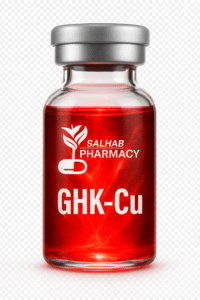
Despite this, copper peptides remain underappreciated compared to retinol or vitamin C, largely because they work gradually, gently, and through mechanisms that are harder to see in before-and-after photographs. The science, however, is compelling: GHK-Cu can modulate the expression of thousands of genes, rebuild collagen and elastin, reduce inflammation, and promote hair follicle activity. This comprehensive guide covers every dimension — what copper peptides are, how they work, what clinical evidence shows, how to use them, and how they compare to the competition.
“GHK-Cu has a broad range of health-promoting qualities… new studies are still revealing an even broader scope of its biological effects.” — PMC review, National Institutes of Health
What Are Copper Peptides? Understanding GHK-Cu
Copper peptides are small protein fragments — specifically tripeptides, meaning chains of three amino acids — that have a natural, high-affinity bond with copper ions (Cu²⁺). The most studied and widely used form is GHK-Cu, composed of glycine, histidine, and lysine, bound to a single copper ion. This complex is not a synthetic invention; it is a naturally occurring molecule found in human plasma, saliva, and urine that plays a central role in the body’s wound healing and tissue remodeling systems.
In plasma, GHK levels average approximately 200 ng/mL at age 20. By age 60, that figure declines to around 80 ng/mL — a drop of roughly 60%. This age-related decline in GHK-Cu closely parallels the reduction in the skin’s regenerative capacity that makes aging skin progressively thinner, less firm, and slower to repair. The logic behind topical copper peptides is essentially to replenish what the body naturally loses: delivering bioavailable copper in a biologically active form that skin cells can recognize and respond to.
In skincare formulations, copper peptides appear under the ingredient name “copper tripeptide-1” on product labels. The characteristic blue tint of many copper peptide serums comes directly from the copper complex itself, and is a reliable indicator that the molecule is intact and active. Colorless formulations claiming to contain copper peptides warrant extra scrutiny, as the complex may be degraded or present in negligible concentrations.
A Brief History: From Biochemistry Lab to Skincare Staple
Dr. Pickart first isolated GHK in 1973 while researching why young human plasma caused older liver tissue to produce proteins at the rate of younger tissue. He eventually identified the active agent as the tripeptide GHK, and subsequent research confirmed that its biological activity was dramatically enhanced when bound to copper. Early work focused on wound healing — GHK-Cu was found to accelerate the closure of diabetic ulcers, Mohs surgical wounds, and skin grafts in clinical settings. Cosmetic applications followed naturally, as researchers recognized that the same mechanisms driving wound repair could also drive the repair of aged, photodamaged skin.
How Copper Peptides Work: The Science of GHK-Cu
Understanding copper peptides requires appreciating that they operate through multiple simultaneous mechanisms — a key reason why their biological impact is so broad. GHK-Cu does not rely on a single receptor interaction or enzymatic pathway. Instead, it functions as what researchers describe as a “pleiotropic” molecule: one with many distinct and interconnected effects across multiple cell types and tissues.
Collagen and Elastin Synthesis
The most commercially promoted benefit of copper peptides is their ability to stimulate collagen and elastin production in dermal fibroblasts — the specialized skin cells responsible for maintaining the extracellular matrix. Research published in PMC studies found that GHK-Cu at concentrations as low as 0.01 nanomolar significantly increased the production of both elastin and collagen in adult human dermal fibroblasts. The mechanism involves upregulation of the genes encoding collagen type I and type III, as well as fibronectin and decorin — structural proteins that contribute to skin firmness, elasticity, and resistance to mechanical stress.
Critically, copper itself is an essential cofactor for lysyl oxidase, the enzyme that cross-links newly synthesized collagen and elastin fibers. Without adequate copper, freshly produced collagen remains structurally weak and immature. GHK-Cu addresses both sides of this equation simultaneously: it stimulates collagen production and ensures the resulting fibers are properly cross-linked and functionally robust.
Collagen Remodeling: Removing Old, Damaged Protein
A subtler but equally important mechanism is GHK-Cu’s activation of matrix metalloproteinases (MMPs) — enzymes that degrade old, misfolded, or damaged collagen. This dual action — promoting new collagen while clearing out dysfunctional old collagen — closely mimics how young skin naturally renews its extracellular matrix. Importantly, GHK-Cu also increases expression of TIMP-1 (tissue inhibitor of metalloproteinase), which regulates MMP activity and prevents excessive collagen breakdown, ensuring the remodeling process stays within healthy parameters.
The 4,000-Gene Discovery
“GHK is able to modulate approximately 4,000 human genes — resetting the expression patterns of aged fibroblasts toward those of younger tissue.” — Genome Medicine, Broad Institute of MIT and Harvard
Using the Broad Institute’s Connectivity Map — a library of transcriptional responses to known biological agents — researchers found that GHK could modulate the activity of approximately 4,000 human genes, representing roughly one-third of the human genome. These changes consistently promoted expression of genes associated with DNA repair, antioxidant defense, anti-inflammatory signaling, and structural protein production, while suppressing genes linked to inflammation, cellular breakdown, and certain cancer-promoting pathways.
Antioxidant and Anti-Inflammatory Activity
GHK-Cu is a potent free radical scavenger — research has shown it to be more effective than glutathione at quenching hydroxyl radicals, one of the most reactive and damaging forms of reactive oxygen species. Additionally, GHK-Cu suppresses the production of pro-inflammatory cytokines including TNF-alpha and IL-6, reducing the chronic low-grade inflammation known as “inflammaging” that drives both visible aging and systemic age-related disease.
Angiogenesis and Dermal Nourishment
GHK-Cu promotes the formation of new blood vessels (angiogenesis) by stimulating vascular endothelial growth factor (VEGF). This is particularly relevant in aging skin, where the capillary network becomes progressively sparser, reducing oxygen and nutrient delivery to fibroblasts. By restoring vascular density, copper peptides help keep the dermal cellular machinery adequately fueled — a benefit that complements rather than duplicates the direct structural effects on collagen and elastin.
Clinical Evidence: What the Research Actually Shows
The clinical evidence base spans wound healing, cosmetic anti-aging, and post-procedural skin recovery. While the number of large-scale randomized controlled trials in cosmetic applications is smaller than that for prescription retinoids, the mechanistic data is robust and controlled clinical studies are consistently positive.
Skin thickness and collagen density. Topical copper tripeptide complexes produced measurable increases in skin thickness in both the epidermis and dermis, improved hydration, significant surface texture smoothing, and increased collagen type I production — verified by histological analysis.
Double-blind clinical trial vs. controls. Female volunteers using GHK-Cu in a nano-lipid carrier twice daily over eight weeks showed significantly superior wrinkle reduction, skin firmness, and hydration compared to both a carrier-alone control and a Matrixyl 3000 comparison group.
Wound healing — Mohs surgical wounds. A randomized, evaluator-blinded, placebo-controlled study found GHK-Cu products significantly improved re-epithelialization rates in post-Mohs surgery patients, reducing time to closure and improving scar outcomes.
Diabetic ulcers. Multiple clinical trials found copper peptide wound dressings significantly more effective than standard care in promoting the closure of chronic diabetic plantar ulcers — conditions notoriously resistant to conventional treatment.
CO₂ laser recovery. A study published in the Archives of Facial Plastic Surgery found that patients using GHK-Cu after CO₂ laser resurfacing showed improved overall wrinkle and skin appearance scores at 12-week follow-up, with excellent tolerability throughout the recovery period.
Skin penetration confirmed. A PMC skin penetration study found that topical application of 0.68% aqueous GHK-Cu resulted in an approximately 400-fold increase in copper levels in the stratum corneum above baseline — confirming therapeutically relevant penetration.
It is worth noting a balanced perspective: while GHK-Cu effects are well-documented in wound care and tissue repair, cosmetic benefits are typically gradual and subtle rather than dramatic. Copper peptides are best understood as a restorative and supportive ingredient — one that helps skin function more youthfully over time — rather than a quick-fix solution for advanced photoaging.
Copper Peptides Benefits: What to Expect for Your Skin
Based on the combination of mechanistic research and controlled clinical evidence, the following benefits are well-supported by the available science.
Reduced fine lines and wrinkles. By stimulating collagen and elastin synthesis while clearing out damaged protein, GHK-Cu progressively improves skin texture and reduces the depth of fine lines. Results typically become visible after 8–12 weeks of consistent twice-daily use.
Improved skin firmness and elasticity. Clinical cutometry measurements show consistent improvements in elasticity in cohorts using copper peptide formulations. The effect is gradual but cumulative — and unlike retinol, it occurs without surface disruption or barrier compromise.
Enhanced intrinsic hydration. GHK-Cu promotes the production of glycosaminoglycans, including hyaluronic acid and dermatan sulfate, within the dermis. This intrinsic hydration boost improves the plumpness and water content of skin from within rather than merely coating the surface.
Accelerated wound and post-procedure healing. The most extensively validated benefit. Copper peptides are widely recommended by plastic surgeons and dermatologists for post-procedural recovery following laser treatments, chemical peels, microneedling, and dermabrasion.
Reduced hyperpigmentation and photodamage. Studies document improvements in skin tone evenness and reductions in hyperpigmentation, likely through a combination of accelerated cell turnover and anti-inflammatory mechanisms that prevent post-inflammatory darkening.
Skin thickening. One of the most clinically unique benefits of GHK-Cu is its ability to reverse skin thinning — a feature of aged skin that very few other topical ingredients address. Particularly relevant for patients over 50 whose skin has become fragile, crepey, or easily bruised.
Barrier strengthening and reduced redness. Copper peptides actively reduce surface redness and calm reactive skin. Products containing GHK-Cu complexes have received the National Rosacea Society’s Seal of Acceptance, confirming their suitability for even the most sensitive skin.
Copper Peptides vs. Retinol: Which Is Right for You?
No comparison in skincare is more frequently searched — and more frequently oversimplified — than copper peptides vs. retinol. The two ingredients work through fundamentally different biological mechanisms, carry different risk profiles, and suit different patient populations.
| Factor | Copper Peptides (GHK-Cu) | Retinol |
|---|---|---|
| Mechanism | Growth factor-like signaling; collagen stimulation and matrix remodeling | Binds retinoid receptors; accelerates cell turnover; inhibits collagen degradation |
| Speed of results | Gradual (8–16 weeks for visible change) | Faster (4–8 weeks), but with an adjustment period |
| Irritation potential | Very low — actively anti-inflammatory | Moderate to high — retinization period is common |
| Photosensitivity | None — safe for morning and evening use | Yes — nighttime use recommended |
| Best suited for | Sensitive skin, mature skin, daily use, post-procedure recovery | Tolerant skin, acne, faster anti-aging results |
| Skin thickening | Yes — increases dermal density | Minimal direct thickening effect |
| Can they be combined? | Yes — use copper peptides in the morning, retinol in the evening | |
The Case for Using Both
Rather than choosing between them, the most comprehensive anti-aging approach uses both in a strategically separated routine. Copper peptides and retinol address aging through complementary, non-overlapping pathways — retinol drives cell turnover and inhibits existing collagen breakdown, while copper peptides stimulate new collagen and elastin synthesis while calming inflammation. The combination targets the biology of skin aging more completely than either ingredient alone.
The most practically recommended strategy: copper peptide serum in the morning; retinol at night on alternating evenings, gradually increasing retinol frequency as tolerance builds. On retinol nights, copper peptides used the following morning help support healing and barrier function during the adjustment period.
Copper Peptides for Hair Growth: The Evidence for GHK-Cu on the Scalp
While copper peptides are best known for their skin benefits, their application to hair loss has attracted serious scientific attention. Hair follicles are metabolically intensive structures that require a constant supply of growth factors, structural proteins, and trace minerals to function optimally. GHK-Cu addresses several of the key deficiencies and dysfunctions that drive common hair loss conditions.
Mechanisms of Action in the Scalp
Research published in Archives of Pharmacy Research found that GHK-Cu stimulates the proliferation of dermal papilla cells — the specialized cells at the base of each follicle that regulate the hair growth cycle — and elevates the production of vascular endothelial growth factor (VEGF) while decreasing the secretion of TGF-beta 1, a transforming growth factor associated with follicle regression. In practical terms, this means GHK-Cu may extend the anagen (active growth) phase of the hair cycle while reducing the signaling that drives follicles into dormancy.
Additionally, GHK-Cu has been found to inhibit 5-alpha reductase — the same enzymatic target as finasteride — reducing the conversion of testosterone to DHT, the hormone most strongly associated with pattern hair loss.
Clinical Evidence
A study by Pickart et al. found copper peptides effective in promoting hair regrowth and improving scalp health in individuals with androgenetic alopecia, with participants reporting reduced shedding. A 2024 clinical study published in PMC examined the combination of minoxidil, dutasteride, and copper peptides delivered via scalp tattooing in patients with Norwood-Hamilton type III to IV androgenetic alopecia. After five monthly sessions, researchers observed a median 35.5% regrowth in treated scalp areas, demonstrating meaningful synergistic potential and positioning GHK-Cu as a productive addition to existing hair loss treatment regimens.
Copper peptides are most effective for hair loss in its early-to-moderate stages, and for telogen effluvium where their anti-inflammatory and follicle-supporting properties help normalize the hair cycle. Most users report reduced shedding within four weeks and visible density improvements by months three to four with consistent daily scalp application.
How to Use Copper Peptides in Your Skincare Routine
What to Look for in a Product
Effective formulations typically contain GHK-Cu (listed as “copper tripeptide-1” on the INCI ingredient list) at concentrations of 0.1% to 2%, formulated at a pH of 5.5–7.0, and packaged in opaque, airless pumps to prevent oxidation. Stability matters enormously: poorly formulated products in which the copper complex has degraded will not only be ineffective but may potentially generate free radicals rather than neutralize them.
Supporting ingredients to look for alongside GHK-Cu include ceramides, niacinamide, panthenol, allantoin, and sodium hyaluronate. These complement copper peptides’ mechanisms and enhance the overall tolerability of the formulation.
Ingredient Compatibility
Pairs well with: niacinamide, hyaluronic acid, ceramides and fatty acids, panthenol, allantoin, centella asiatica extracts, and peptides from other classes.
Use separately (not simultaneously): ascorbic acid (vitamin C), AHAs such as glycolic and lactic acid, BHAs such as salicylic acid, retinol and retinoids, and benzoyl peroxide. These ingredients operate at pH levels of 3–4, which can destabilize the copper complex if applied immediately before or after. The simplest solution is to use acids or vitamin C in the morning and copper peptides in the evening, or vice versa.
Recommended Routine Order
Morning: Gentle cleanser → copper peptide serum → moisturizer with ceramides → SPF 50.
Evening (non-retinol nights): Gentle cleanser → copper peptide serum → richer moisturizer or facial oil.
Evening (retinol nights): Gentle cleanser → moisturizer → retinol. Reserve copper peptides for the following morning.
When to Expect Results
Copper peptides can be used twice daily every day — they do not increase photosensitivity. Initial improvements in skin texture and hydration are typically noticeable within 4–6 weeks. Measurable improvements in firmness and fine lines emerge over 8–12 weeks. Significant changes in skin thickness or deeper wrinkles require 3–6 months of consistent use, consistent with the biology of collagen remodeling at the cellular level.
Copper Peptides Safety Profile and Side Effects
Copper peptides have an excellent safety record accumulated across decades of clinical use in wound care and cosmetic applications. GHK-Cu is naturally occurring, non-toxic at concentrations used in topical formulations, and active at very low nanomolar concentrations. Most users experience no adverse effects whatsoever. The National Rosacea Society’s acceptance of products containing copper peptides reflects the ingredient’s established tolerability even in the most reactive skin populations.
A small number of users report a transient phenomenon anecdotally referred to as “copper uglies” — a temporary period of apparent worsening skin texture attributed to GHK-Cu’s activation of MMPs degrading older collagen before new collagen can fully replace it. This is typically temporary and resolves within two to three weeks. Users with known copper metabolism disorders such as Wilson’s disease should consult a physician before use.
The key practical safety consideration is formulation quality rather than the ingredient itself: products with destabilized copper complexes may carry pro-oxidant risk rather than antioxidant benefit. Investing in well-formulated, stably packaged products from reputable brands is the most important measure for the overwhelming majority of users.
Copper Peptides for Specific Skin Concerns
Mature Skin Over 50
Copper peptides are uniquely well-matched to mature skin because they address the specific biological changes driving visible aging after 50 — collagen and elastin loss, skin thinning, reduced angiogenesis, and barrier weakening — without the irritation risks that make retinol and acids increasingly problematic as skin becomes more fragile. For women who have passed menopause, when estrogen-driven collagen loss accelerates dramatically (up to 30% of skin collagen can be lost in the first five post-menopausal years), copper peptides offer a well-tolerated way to actively support the skin’s repair capacity.
Post-Procedure Recovery
Copper peptides have a well-established clinical role following microneedling, CO₂ laser resurfacing, chemical peels, and dermabrasion. The micro-channels created by microneedling dramatically enhance dermal penetration of topically applied actives, and copper peptides applied post-procedure penetrate to depths where they directly support fibroblast activity and amplify collagen induction. Many practitioners recommend beginning copper peptide use two weeks before a procedure to prime fibroblast activity, then continuing twice daily through the recovery window.
Sensitive and Rosacea-Prone Skin
For individuals whose skin cannot tolerate the retinization associated with retinol or the sting of high-percentage vitamin C serums, copper peptides offer anti-aging efficacy through a mechanism that is inherently anti-inflammatory rather than disruptive. Their ability to reduce TNF-alpha and IL-6 production actively calms chronic facial redness, and their barrier-strengthening properties improve the resilience of reactive skin over time. Starting with a single-active copper peptide routine and building from there is a low-risk, evidence-based approach to anti-aging for even the most sensitive complexions.
Key Takeaways: Is a Copper Peptide Serum Worth It?
Copper peptides — specifically GHK-Cu — represent one of the most scientifically credible anti-aging ingredients available over the counter. They are supported by decades of peer-reviewed research, validated in clinical wound healing trials, and increasingly studied in cosmetic anti-aging and hair loss contexts. Their multi-pathway mechanism of action — collagen and elastin stimulation, extracellular matrix remodeling, gene expression resetting, antioxidant and anti-inflammatory activity, and angiogenesis promotion — gives them a breadth of biological impact that few other topical ingredients can match.
They are not, however, a replacement for the deepest anti-aging evidence in the field: that belongs to prescription-strength retinoids, which have more and larger randomized controlled trials behind them and FDA approval for wrinkle reduction. The strongest position is not to choose between them but to use both strategically — copper peptides for their gentleness, repair-focused mechanisms, and daily-use versatility; retinol for its accelerated cell-turnover effects — with each operating through non-overlapping pathways that together address aging more comprehensively than either could alone.
For anyone building a serious, evidence-based skincare routine — particularly those with sensitive skin, mature skin, post-procedure recovery needs, or early signs of hair thinning — copper peptides deserve a permanent place.
Bottom line: Copper peptides are a scientifically credible, exceptionally well-tolerated anti-aging active with a unique combination of collagen-stimulating, anti-inflammatory, and gene-resetting properties. They work best as part of a consistent, layered routine — and they reward patience.


